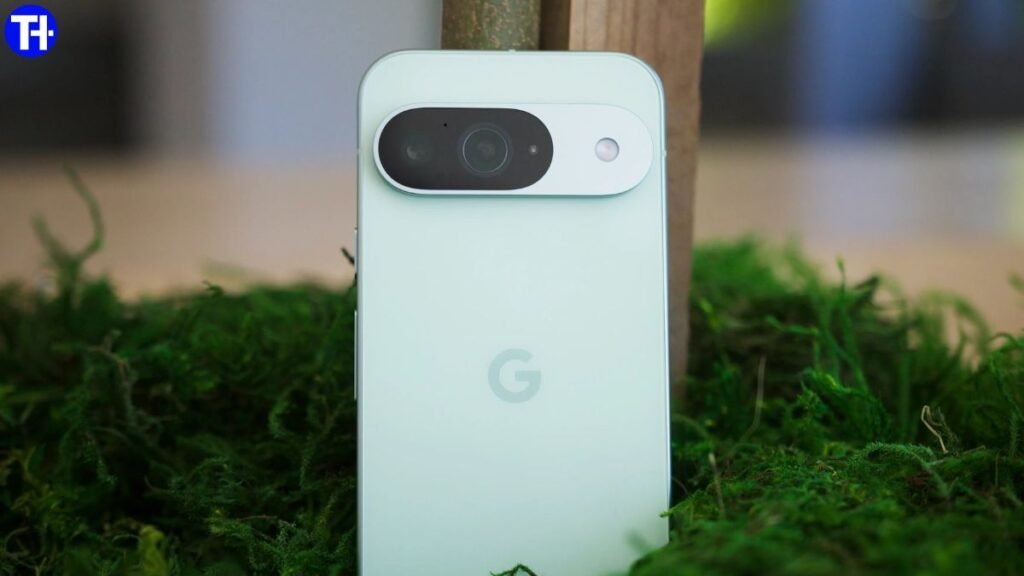
Although the concept of an AI phone is relatively new, I would contend that Google has been at the forefront in developing phones with AI at their core.
The Google Pixel 6 and its Tensor chip, which was designed to provide powerful neural network machine-learning capabilities rather than the fastest CPU and graphics processing rates, were the first examples of this. Google then truly embraced AI features with the Pixel 8, particularly those with generative capabilities like the Magic Editor.
Although some may contend that the Samsung Galaxy S24 was the first “AI phone,” I believe the Pixel 8 was the catalyst, particularly since Samsung leveraged Google technology to support some of the Galaxy AI features.
All of this was reinforced by the Google Pixel 9 and its siblings, which seemed to place artificial intelligence (AI) at the center of the Pixel experience rather than merely providing features on top of a typical smartphone user interface.
However, Google’s AI phone title may be in jeopardy if the Samsung Galaxy S25 and Galaxy Z Fold 7 launch with enhanced AI capabilities and Apple Intelligence begins to catch up and provide a strong feature set on compatible iPhones along with some synchronization with Macs.
Therefore, I believe that Google will need to offer more with the Pixel 10 if it wants to stay ahead of the competition and continuing paving the way for useful—and ideally safe—consumer use.
Accelerated AI
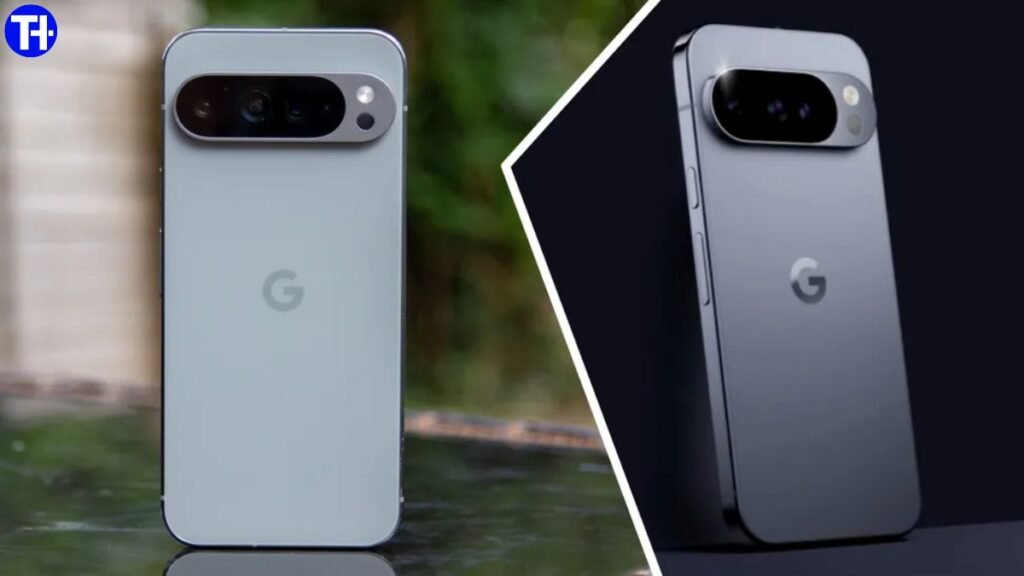
From intelligent call handling and document summaries to real-time translation and photo editing tools that can redo entire photos, Google currently provides a respectable spectrum of AI-powered capabilities. Additionally, many of features are simple to use and access, which contributed to the Google Pixel 9 Pro becoming our phone of 2024.
But there’s still space for more. Some of these clever AI tools should ideally function across the Pixel Launcher experience.
Gemini, for instance, might be used to list all of the apps and games on my Pixel phone that I haven’t used in a long time or that I may have forgotten about.
Additionally, I would really like for third-party apps to have summary features that would allow me to rapidly summarize an ebook chapter so I can start up where I left off without having to go back and review the material.
Having audio readouts of various types of text in a voice that sounds as near to genuine language speaking as possible would be my top priority. I can get behind on my reading since I listen to a lot of podcasts, especially while I’m cooking or traveling.
To address this, I would love to be able to ask a system-level AI to read aloud a magazine feature that has been scanned in using a phone’s camera or from a digital source. I’ve found a few AI programs that can achieve this in a way, but none of them meet my needs in the smooth manner that AI experts often claim.
Google already has NotebookLM with its Audio Overviews, which can create a podcast from a variety of inputs, so this isn’t just a dream. I would therefore benefit, as would many others seeking aural pleasure, if this technology were integrated into the upcoming Pixel Launcher or the speculated Pixel 10 phones.
In the end, even though I value the artistic potential of certain AI tools for producing images or extensively altering photographs, I would prefer AI in general to focus more on simplifying my everyday tasks and assisting me in better processing the nearly deluge of information available to me both online and offline.
Even while I’m concerned about how much the search giant’s algorithms currently affect how information is shared, I still believe that Google is among the businesses most suited to accomplish this.
But, in my opinion, it must use every new Pixel phone generation to continue pushing the boundaries, while companies like Apple and Samsung appeal to regular phone users in order to maintain their dominance in AI phones as well as to advance AI innovation in a way that is actually beneficial and productive for people.
Related posts:
 Google Pixel 10 Leaks: First Renders Reveal Design, Specs, and New Features
 Google Pixel 9a Pre-Order Offer: Get a Free Google TV Streamer Worth €119!
 Google Pixel 10 Series to Feature Tele-Macro Camera: Launch, Specs, and New Features Revealed
 Google Pixel 10 Series: Full Leak Reveals Storage Options, Colors, Accessories, and Launch Details