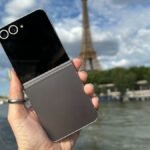
I might be persuaded to use a flip phone again in the vertical orientation by the Samsung Galaxy Z Flip 7. Prior to receiving my S24 Ultra, I relied on the Galaxy Z Flip 5, which I found to be incredibly cool and more than capable of meeting my everyday demands. With a remarkably reduced crease and a cover display that I simply adore, the Galaxy Z Flip 7 maintains the cool factor.
The cover screen is a crucial part of any foldable smartphone, in case you were unaware. It functions when the main screen is closed like a clamshell, making it unavailable. The rear cameras, which are conveniently located at the top of the phone or at the bottom of the cover screen, can also be used to snap selfies.
Now, by default, the cover screen of many foldables lacks features. Samsung deliberately limits a user’s screen usage to a small number of compatible widgets and cover screen elements in order to preserve a smooth, high-end feel. Although it’s a good idea and maintains a high level of polish, some people, like me, would wish they could do more with the handy little screen. Fortunately, Samsung offers Multistar, a simple fix for this.
- Also Check: Don’t worry about Pixel 10 benchmark leaks, they haven’t mattered before, and they don’t matter now
Give Multistar a go
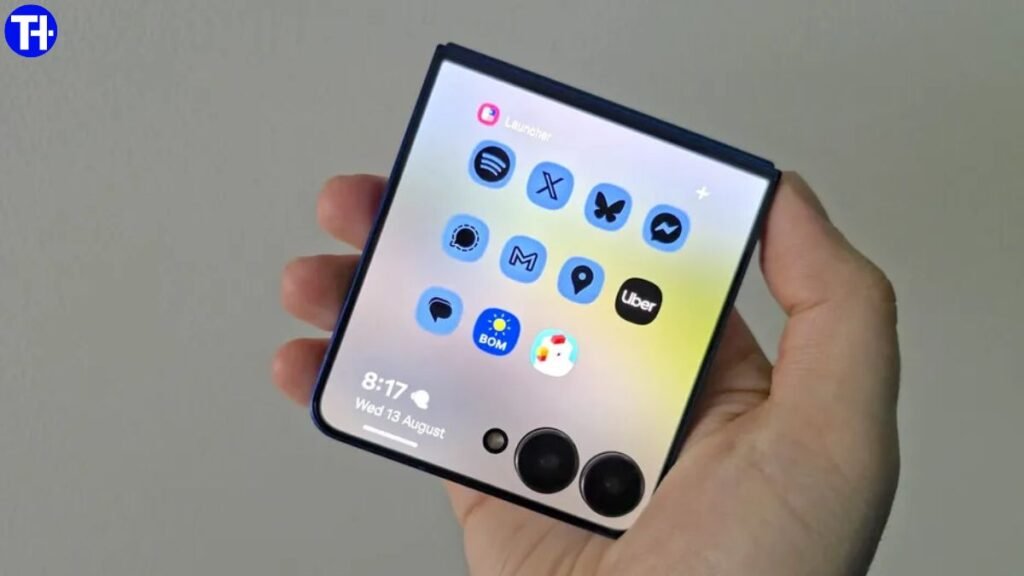
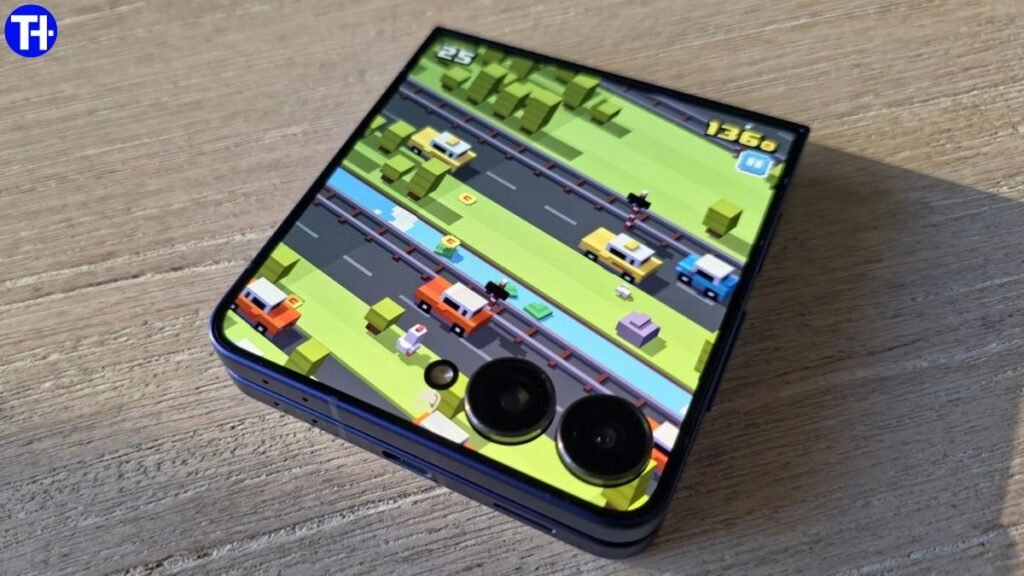
Multiple stars are not new. It has existed for multiple Galaxy Z Flip generations, but its functionality has always been constrained by the cover screen’s small size. With the Galaxy Z Flip 7, that is no longer a problem because the cover screen extends all the way to the top of the folded phone.
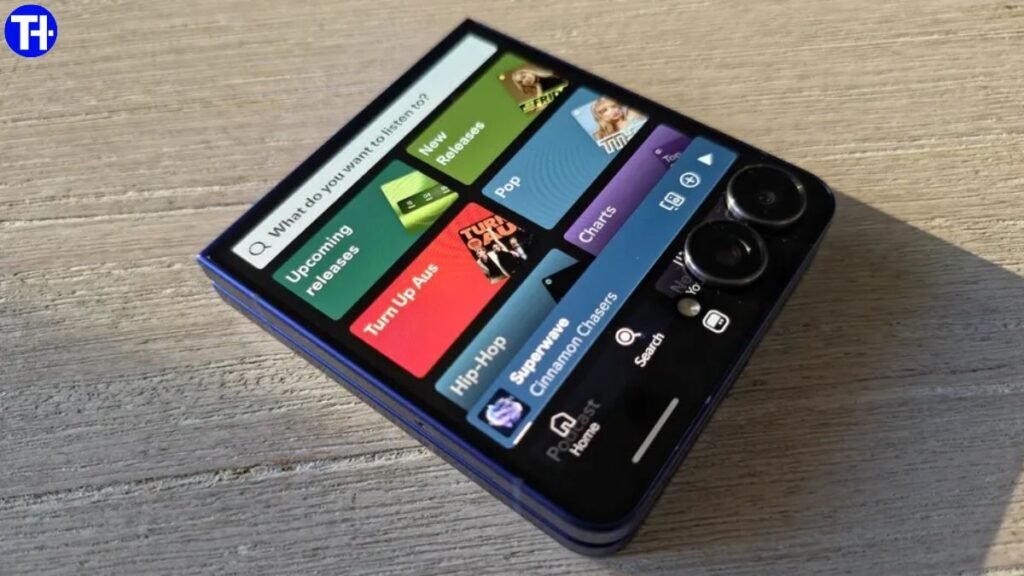
An important component of the puzzle is Multistar. With the help of an official Samsung extension, which you can purchase from the Galaxy Store after accessing the phone’s cover screen settings, you can install apps straight into one of the cover screen’s widget menus. a lets you play games like Crossy Road or swipe through Bluesky.
Although it’s not a perfect solution—notification bar information isn’t displayed on the screen, app switching is very simple (just a swipe up), and some apps—like Samsung’s own contacts and phone apps—remain inaccessible—it does feel more practical than earlier iterations of the Flip, and I believe I could get by with just this tiny screen and the apps I’ve chosen.
But is it worth the extra cost?
Even while I adore the cover screen, its features, and the idea of a small, square phone rather than a large, rectangular one, it’s difficult to defend the higher price, especially when there is a less expensive alternative available.
In addition to the Galaxy Z Flip 7, Samsung also unveiled the Z Flip 7 FE, a less expensive phone that shares many of the same features as the Z Flip 6, including a smaller cover screen with many of the same features. In a similar vein, I would suggest looking into Motorola’s Razr line of foldable handsets, which offer comparable app functionality at a lower cost.
But for the time being, I really like the amusing tiny square I’ve been using in place of a dull rectangle.
Related posts:
 Galaxy S24 Ultra with One UI 7 Beta Surpasses Galaxy S25 Ultra in Zoom Camera Performance
 Samsung Galaxy Z Flip 7 price: how much do the Z Flip 7 and Z Flip 7 FE cost?
 Samsung Assures Galaxy S25 Edge Durability Despite Ultra-Thin Design – Full Details Revealed!
 Samsung Galaxy Z Flip7 Colors, Storage Variants, and RAM Details Leaked: All You Need to Know