
The next Google Pixel 10 series According to Google, the long-rumored Pixel 10, Pixel 10 Pro, Pixel 10 Pro XL, and Pixel 10 Pro Fold will all be fully revealed at this year’s Made by Google event on August 20.
I’m most interested in the Pixel 10 Pro out of the four phones in this year’s Pixel series. I’m eager to see if Google can build on the success of the Pixel 9 Pro, which was our phone of the year the previous year, and release another outstanding flagship.
But no phone is flawless, and if the Pixel 10 Pro is to be regarded as a real upgrade, it needs to improve in a few crucial areas.
Here are four ways the Pixel 10 Pro may (and, to be honest, should) outperform the Pixel 9 Pro without further ado.
Better performance
(Image credit: Shutterstock (Karlis Dambrans) / Future / Shutterstock (Wongsakorn 2468))
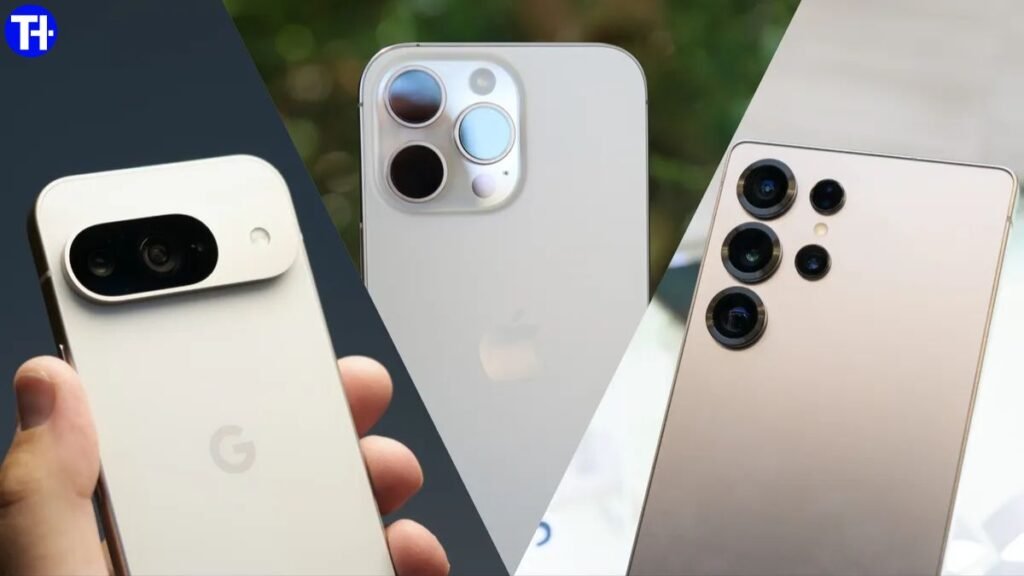
Although the Google Pixel series has always prioritized performance, Google’s Tensor series chipsets are beginning to feel a little behind as competitors like Apple and Samsung have made investments in acquiring or creating potent chipsets.
The Google Pixel 10 Pro doesn’t need to be the quickest phone available because consumers typically purchase Pixel phones for their high-end design and software rather than their sheer power.
However, since the Pixel is being positioned more and more as a means of accessing Google’s AI suite and new Android features, it’s critical that the phone’s performance at least stay up with the rate of advancement.
A significant performance jump would make the Pixel 10 Pro a more confident recommendation against the iPhone 16 Pro and Samsung Galaxy S25 Ultra, though we haven’t heard much about the anticipated Tensor G5 chipset.
Charging speed
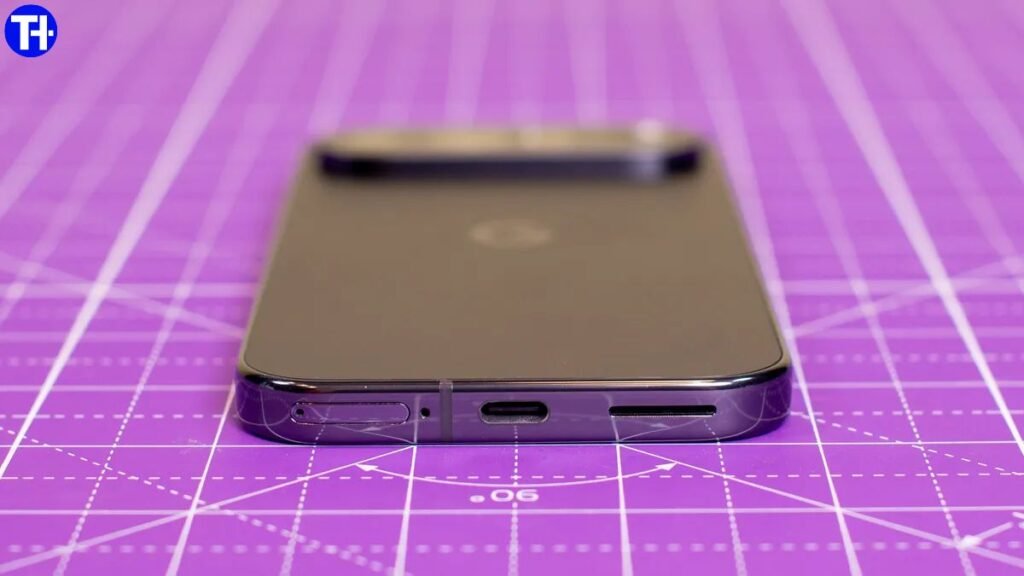
The maximum power consumption of the Google Pixel 9 Pro is 27W, which is very typical for a flagship device but somewhat low when compared to the Pixel 9 Pro XL, which has a 37W charging capacity.
There is no competition when it comes to Chinese-branded Android phones; for instance, the Xiaomi 15 uses a powerful 90W charger, whereas the Honor 400, which is in the middle category, uses only 66W.
The Pixel 9 Pro charged to 55% in 30 minutes during our tests, which is respectable but not particularly noteworthy.
By improving its charging speed, the Google Pixel 10 Pro may easily defeat its predecessor. The most recent speculations, which point to a much higher maximum power draw of 60W, are encouraging.
Better cooling
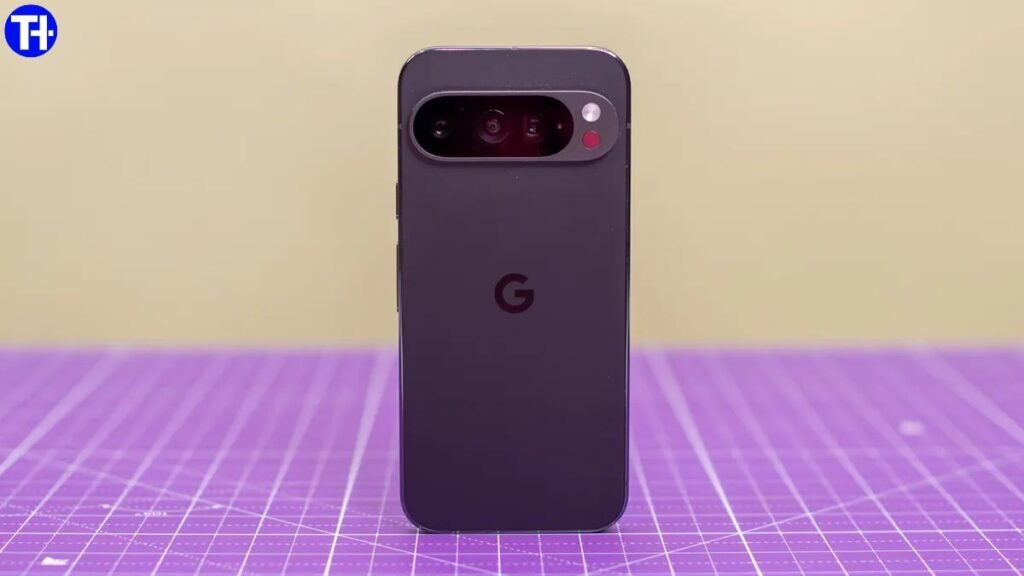
When taking pictures outside on a sunny day for our review of the Google Pixel 9 Pro, the phone rapidly overheated. It’s a little concerning that the phone would have trouble getting through in this typical, everyday situation.
Additionally, the Pixel 9 Pro is not the first Pixel phone to experience overheating problems; in 2023, we revealed that a software glitch had caused Pixel 6 and Pixel 7 phones to overheat. This issue has already plagued multiple Google Pixel models.
Heat is bad for any smartphone, but if the Tensor G5 chipset in the Google Pixel 10 Pro is another mediocre performer, it might have a significant impact on the phone’s performance.
Google might add a bigger internal vapor chamber to the phone or make software adjustments to stop overheating altogether.
Increased storage capacity
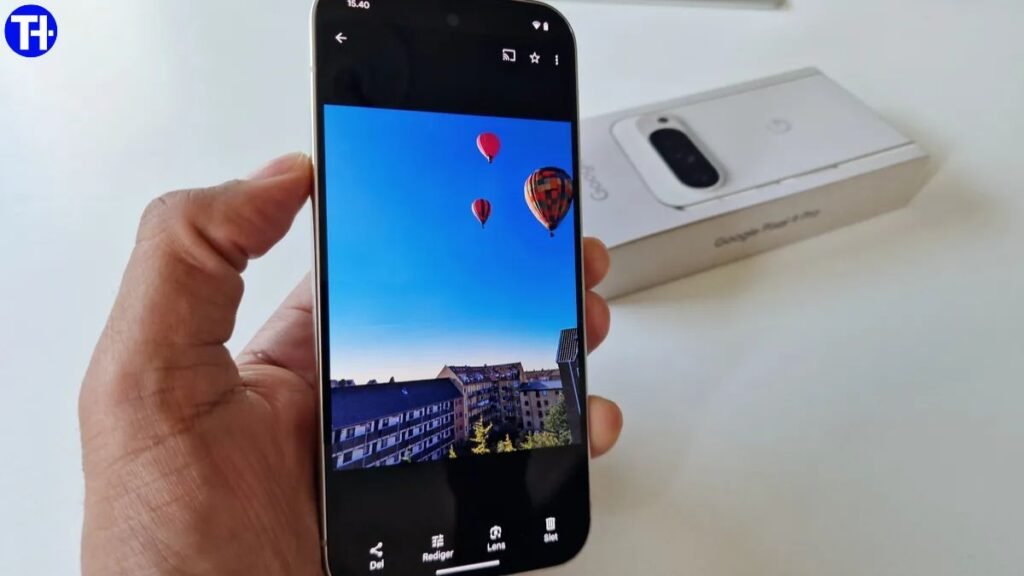
The price and storage capacity of the Google Pixel 9 Pro are identical to those of the iPhone 16 Pro, with the model with 128GB of storage starting at $999, £999, or AU$1,699, respectively.
Though it does not have the ‘Pro’ suffix, the Samsung Galaxy S25 Plus is comparable to its two competitors in terms of specs and capabilities, and it starts with 256GB of storage for the same price.
Here, Google has the opportunity to increase its beginning storage, overtaking Apple and providing consumers with a compelling argument for choosing the Google Pixel 10 Pro over its predecessor. Given that the Google Pixel 9 Pro is one of the greatest camera phones, photographers would have enough of room for images and videos with 256GB of storage.
Additionally, as Android Police points out, certain Android phones, like the OnePlus 13, which we rank as the finest Android phone available for purchase, now come with 256GB of storage as standard.
What are your thoughts? How can the Google Pixel 10 Pro surpass the Google Pixel 9 Pro as a phone? Tell us in the space provided for comments.
Related posts:
 Google just teased the Pixel 10 Pro – and a fresh new Pixel color
 Google Pixel 10 Series to Feature Tele-Macro Camera: Launch, Specs, and New Features Revealed
 Google Pixel 10 Series: Full Leak Reveals Storage Options, Colors, Accessories, and Launch Details
 Infinix Note 50 & Note 50 Pro Launched: Bigger Batteries, Enhanced Features, and More