USB-C is as commonplace as technology can get. From the side of the MacBook Air to the inside of cars, from power banks to the PS5, the most widely used pill-shaped data transmission and power delivery port in the world is present everywhere.
Additionally, it is the preferred connector for all smartphones now in production. With its reversible connection and remarkable data transfer speeds, USB-C was adopted by Android phone makers in the late 2010s. Apple, on the other hand, trailed behind until 2023, when new requirements from the European Union compelled the largest corporation in the world to implement USB-C for new iPhone models.
The USB-C port is so powerful and widely used that there hasn’t been any reason to think it will go away anytime soon—until now.
- Also Check: I’m a serial iPhone buyer, but the Google Pixel 10 Pro in Moonstone will test my loyalty to Apple
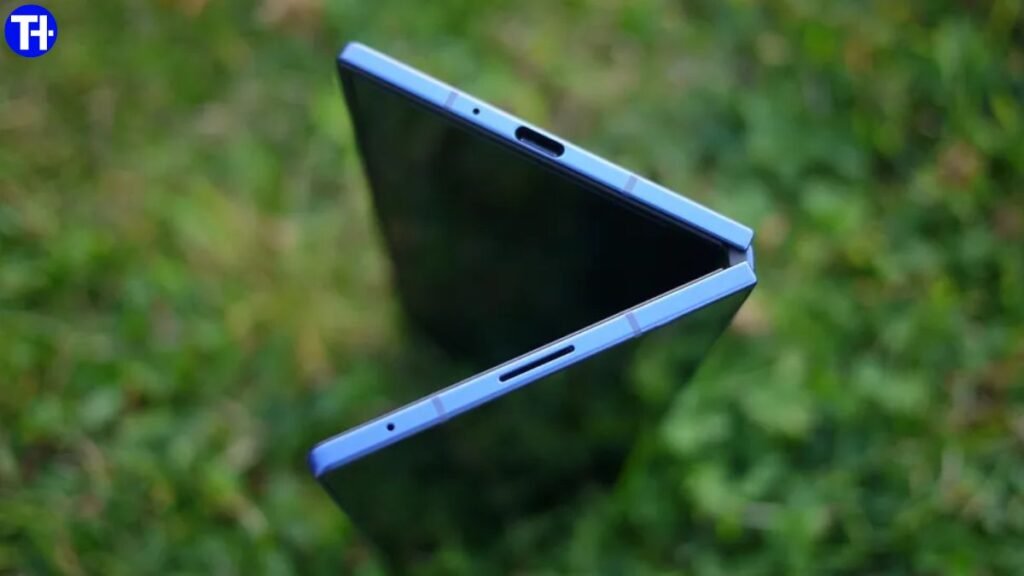
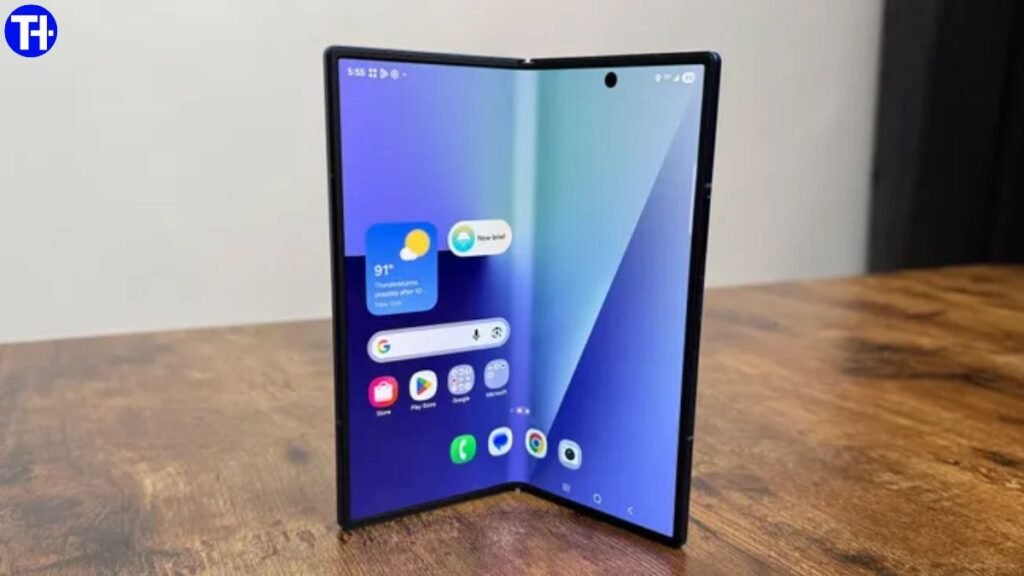
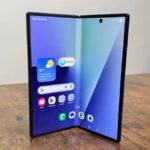
Having held one firsthand, I can attest that the Samsung Galaxy Z Fold 7 is a genuinely stunning phone that dazzles with both its form and specs. It is the thinnest booklet-style folding phone available on the market, measuring only 4.2mm when unfolded. “It’s the best large-screen foldable ever made,” according to our comprehensive evaluation of the Galaxy Z Fold 7.
But that thinness doesn’t leave much space for connections, and when you tilt the phone to view the bottom edge, you can see a USB-C socket that the surrounding chassis barely covers. This also applies to other slim folding phones, such as the Oppo Find N5, which I tested and was informed had its USB-C housing altered to fit on the 4.2mm edge of the phone.
The USB-C connector on folding phones could become a limiting feature and eventually a top target for removal if they continue to get thinner. If folding phones work as intended, manufacturers may be encouraged to cut costs and space by eliminating the USB-C port from slab phones as well.
I first learned about the concept of a portless smartphone from a 2020 MKBHD YouTube video in which host Marques Brownlee speculated that MagSafe might be a sign that the iPhone’s port future was coming to an end.
But thus far, smartphone ports have withstood the widespread use of wireless charging, and I genuinely believe they will withstand the continued decline in folding phone technology. Allow me to explain why it’s not yet time to abandon USB-C ports.
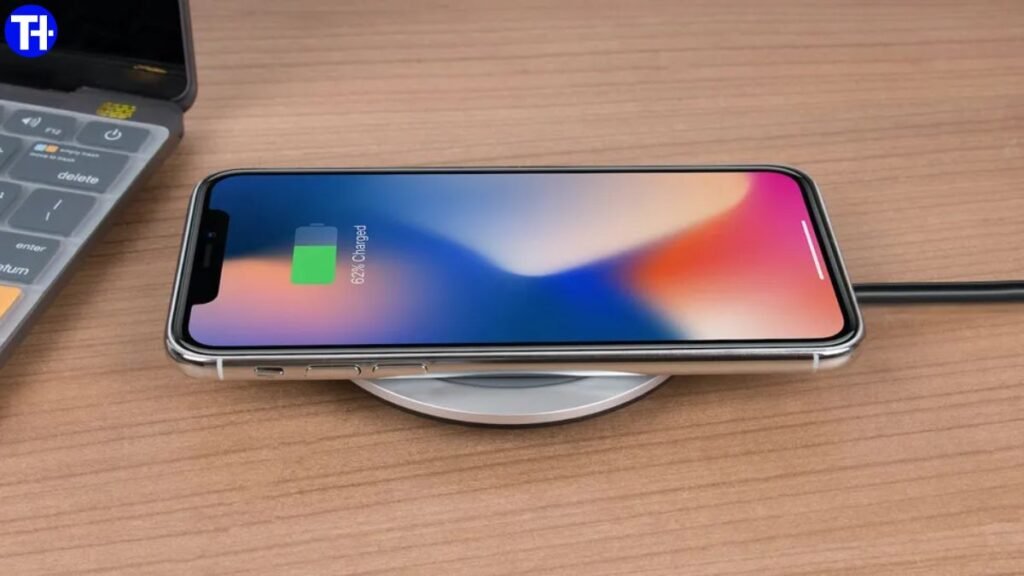
First off, wireless charging was not nearly as quick as wired charging in 2020, which is why MagSafe decided not to discontinue the charging connection right away. The fastest wireless chargers and the fastest cable chargers still differ greatly, despite the fact that great progress has been made in this area.
This is particularly noticeable in the Android market, where phones from companies like Oppo and Xiaomi can supply around 100W of power when using a wired charger, but only about 25W when using a wireless charger. While the 25W power supply offered by the most recent generation of MagSafe chargers is comparable to the iPhone’s projected 30-35W cable charging, it speaks more to the iPhone’s low charging power than it does to MagSafe’s strength.
(Image credit: Rann Vijay/Pexels)
Furthermore, it’s probably accurate to state that wired charging is more efficient than wireless charging. Using iFixit’s GaN 65W charger to charge the iPhone 15 Pro yielded an efficiency of 64.1% in a 2024 test that compared total energy drain to battery capacity. By contrast, the efficiency of the MagSafe 15W charger was only 41%.
For anyone who works with large files on their smartphone, including mobile photographers and filmmakers, losing the USB-C connector would be a huge blow. Although wireless data transfer is possible, it is slower than wired transfer via USB and is dependent on the strength of your mobile or wireless data signal.
In addition, cloud storage services like Google Drive and OneDrive only offer a certain amount of free storage, and the recent WeTransfer controversy has made many people reconsider utilizing free file transfer services. It is faster, safer, and possibly even less expensive to use a USB cord.
Even though USB-C is the last of its kind, it’s a feature that most smartphones come with, and even if the average user doesn’t use it much, it’s still helpful for people who depend on quick file transfers or charging.
(Image credit: Future / Andrew Williams)
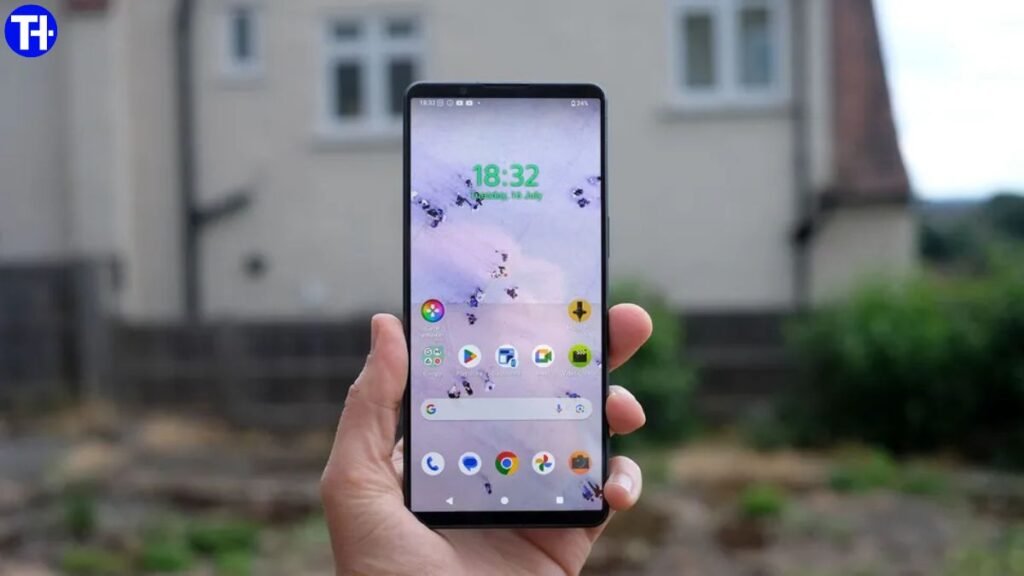
However, despite being a benefit for music lovers and audio professionals, the headphone jack eventually vanished from the bottom of flagship phones worldwide after Apple discontinued it in 2016. The 3.5mm port is now only found on specialized phones designed for media professionals (we salute you, Sony Xperia 1 VI).
I don’t think the “Apple Effect” will play a significant role in USB-C’s demise for a while because the predicted iPhone Fold is still a long way off.
That being said, even if folding phones are becoming more and more thin, I don’t think the USB-C port will be eliminated anytime soon.
What are your thoughts? Are the days of the USB-C port coming to an end? Tell us in the comments section below.
Related posts:
 I can forgive losing the S Pen, but the Samsung Z Fold 7 has been ruined by a more serious design faux pas
 The Galaxy Z Fold 7 might be Samsung’s best-selling foldable yet, and I think a tri-fold Galaxy is inevitable
 The Galaxy Z Fold 7 costs too much – but this could actually be a good thing for folding phones
 I showed the Samsung Galaxy Z Fold 7 to a Z Fold 4 owner, and he was blown away