This year, June and July have been very hectic in terms of technology. Mobile enthusiasts have a plethora of fantastic, intriguing, and, most importantly, reasonably priced new handsets to choose from while gamers have been tucking into the latest Nintendo Switch 2.
Poco is one of the less well-known low-cost phone brands. Performance is the top priority for this Xiaomi-owned company, which produces strong gadgets that usually outperform competitors in the low- and mid-range sectors.
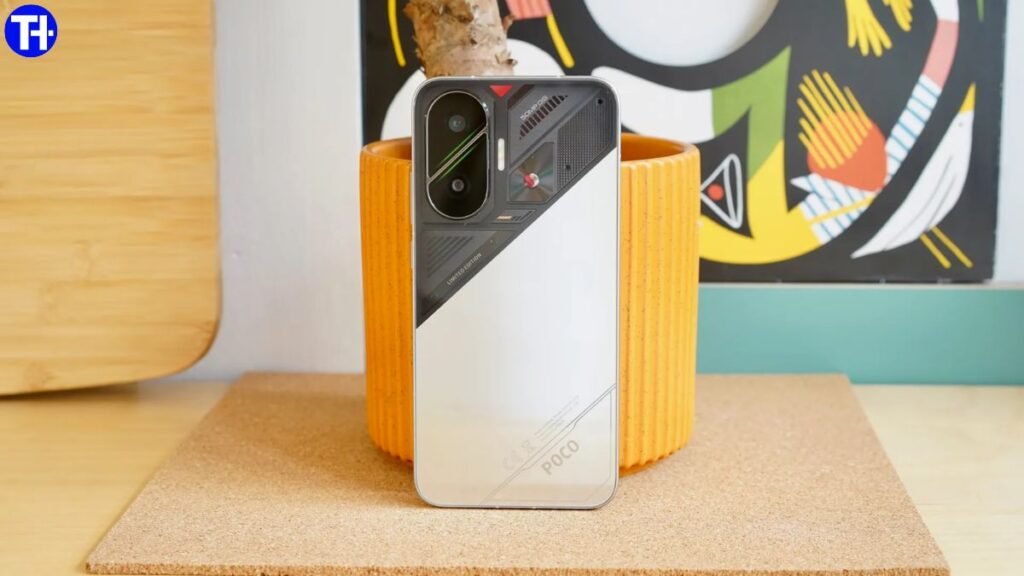
The Poco F7, one of the brand’s most recent models, boasts Qualcomm’s newest Snapdragon 8s Gen 4 processor and costs less than £389 in the UK, striking an amazing mix between price and performance.
Concessions in features like camera quality and OS update support lifespan were previously expected and frequently accepted by users due to Poco’s F-series phones’ outstanding value proposition.
But if you read through the Poco F7 reviews, you’ll notice that the phone’s developers have made significant progress in creating a competition that is more capable overall. And for certain especially well-known competitors, that presents a challenge.
Better ig-Nord?

The brand’s new flagship mid-ranger, the OnePlus Nord 5, debuted in the second week of June. But as I’ve been testing it out over the past few weeks, the Poco F7 comparisons have kept coming up, and OnePlus’ attempt falls short nine times out of ten.
First off, even though the Nord 5 costs £399 in the UK (ten pounds more than the F7), it employs the Snapdragon 8s Gen 3 chipset family, which is the same as the Poco. While the Poco features cutting-edge UFS 4.1 technology, which is two generations newer in the smartphone market, OnePlus has matched that with traditional UFS 3.1 storage.
Additionally, you receive a 25% larger battery (6500mAh, compared to 5200mAh in most regions), better IP68-grade protection against dust and water (the Nord 5 tops out at IP65), and a brighter display (both panel-wide and peak brightness output).
With promises of six years of security updates and four years of OS versions, Poco has further increased its update support commitment to equal that of OnePlus.

The primary warning here is that the user experience is different, which might put the Nord 5 back in control.
With the switch from MIUI to HyperOS in 2024, Xiaomi made huge promises. Although the company’s Android-based user experience has seen some noticeable technological advancements, the user-facing features of HyperOS 2.0, as seen on devices like the F7, are still… missing.
On the other hand, OxygenOS 15, which is available on the newest and greatest OnePlus phones, is more responsive, cleaner, more stylish, less bloated, easier to use, and has a more dynamic and user-friendly set of AI-powered capabilities. And since you use that feature of the phone more than any other on a regular basis, there may be sufficient justification for choosing the Nord 5 over the more technically advanced and reasonably priced F7.
Something better than Nothing?

The launching of the controversial Nothing Phone 3 was arguably the most well-known launch in the first week of July.
I use the word “divisive” since the company’s “first true flagship” was criticized right away for its performance, design, and cost.
Although the Phone 3’s aesthetics are unquestionably unconventional, I’m less willing to conclude that the Poco F7 has superior or inferior looks because it’s the most individualized of those three factors. As it happens, its semi-transparent back is distinctly Nothing-like.
As you might expect, the Snapdragon 8s Gen 4 chipset, which powers the Poco F7, is where the Phone 3’s issues truly begin.
Nothing has done a commendable job of praising the chip’s merits, and I have nothing against this specific silicon. However, fans expected to see Qualcomm’s top-tier Snapdragon 8 Elite CPU, which powers practically every other 2025 Android flagship, on a phone that costs £799 or $799 (Nothing’s most expensive phone yet).

To apply salt to the wound, turn on the Poco F7. In addition to being released before the Phone 3, it has a larger battery with quicker charging and faster storage. It also costs less than half as much as the Phone 3 and has the same chipset, so its performance is comparable.
In addition to having better cameras, a brighter screen, and longer software support (7 years of OS & security updates) than the Poco, the Nothing Phone, like the OnePlus, offers one of the best smartphone user experiences available for the extra money. In contrast to the Nord, the division isn’t quite as sharp.
In the end, it comes down to your priorities in a three-way duel between the Poco F7, Nord 5, and Phone 3. Which is more important to you: a sleek user interface or better performance and a more affordable price? If the latter, I lean toward suggesting the potent and reasonably priced Poco.
Related posts:
 OnePlus Nord CE 5 Set to Launch on July 8: Price in India, Full Specs, Features, and Everything You Need to Know
 Infinix Note 50 & Note 50 Pro Launched: Bigger Batteries, Enhanced Features, and More
 Galaxy S24 Ultra with One UI 7 Beta Surpasses Galaxy S25 Ultra in Zoom Camera Performance
 Samsung Galaxy S25 Edge Battery Capacity Confirmed: Certification Reveals 3,900mAh Cell & Key Specs