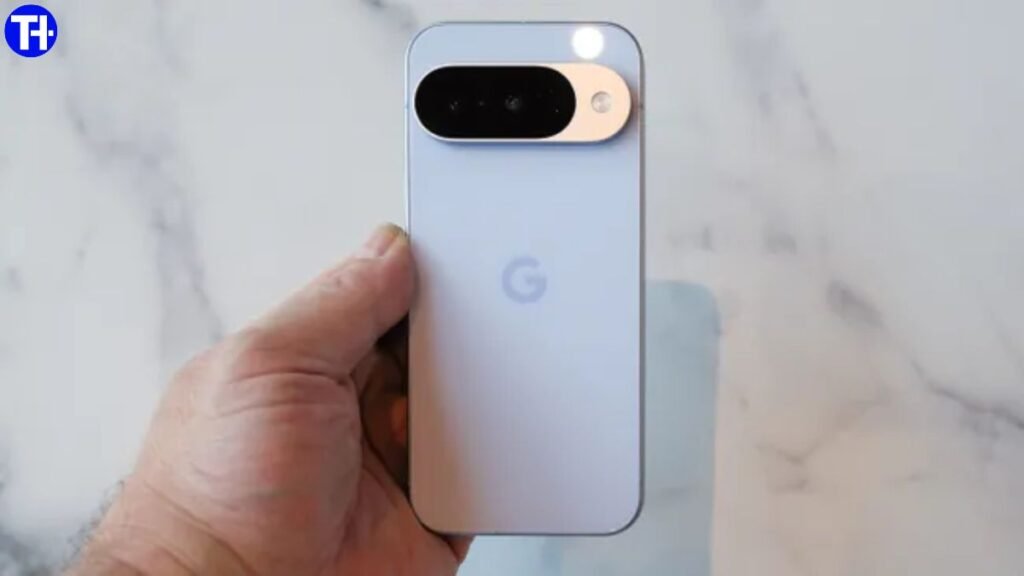
If you own a Google Pixel 8, you may be thinking about upgrading to the new Pixel 10 as it has been two years since its release. However, is it worthwhile to do so, or should you continue using the Pixel 8?
And if you don’t have either, should you buy a Google Pixel 8 (if you can locate one) to save a ton of money or go straight to the Pixel 10?
Your budget and your phone preferences will ultimately determine the answer to those questions, but the main features of these phones are listed below to assist you in making your choice.
The Google Pixel 10 should be far more powerful

With newer, better chipsets coming out every year, two years is a long time in the world of smartphones, especially when it comes to their raw power.
With a Tensor G5 processor, the Google Pixel 10 is two generations ahead of the Pixel 8, which is dominating the market with a Tensor G3 chipset in 2023. Furthermore, the Google Pixel 8 only has 8GB of RAM, whereas the Pixel 10 has 12GB.
All of this means that Google’s upcoming phone should have far more power than the Pixel 8’s aged hardware, which will help with AI, gaming, and pretty much everything else.
The Pixel 8 was rather powerful by 2023 standards, so if you’re not a really demanding user, you should be able to get by with its performance.
The Google Pixel 10 has a bigger battery
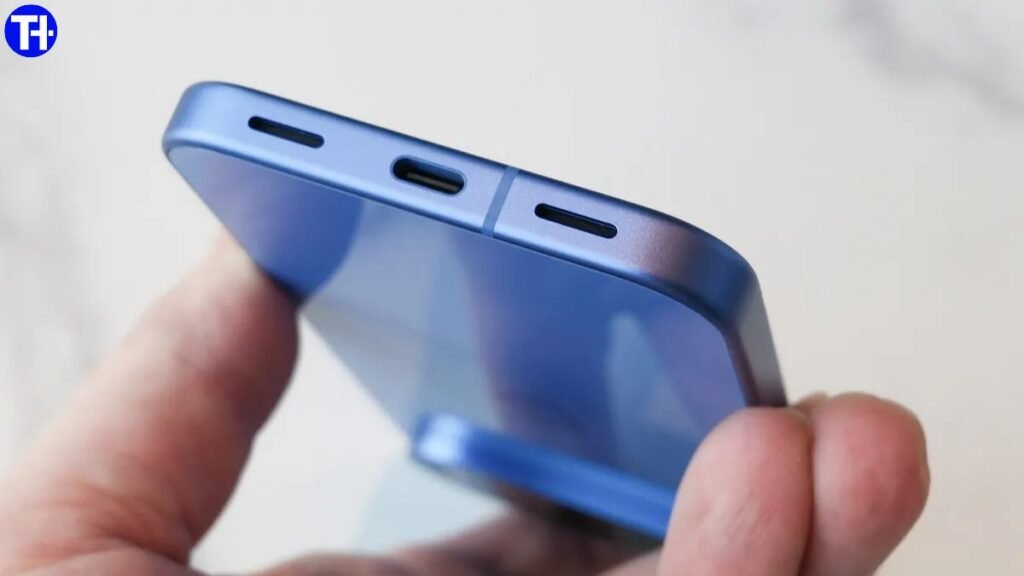
Google has given the Pixel 10 a larger battery in addition to a new CPU. The business says that this 4,970mAh battery will last up to 30 hours, or almost 100 hours if Extreme Power Saver is enabled.
Google claims that the 4,575mAh battery that comes with the Pixel 8 may last up to 24 hours or up to 72 hours when using Extreme Battery Saver mode. Therefore, it’s not as durable as the Pixel 10’s in both situations.
Additionally, it charges a little more slowly; according to Google, the Pixel 8 can charge to 50% capacity in around 30 minutes, whereas the Pixel 10 can charge to 55% capacity in the same amount of time.
The Google Pixel 10 has an extra camera
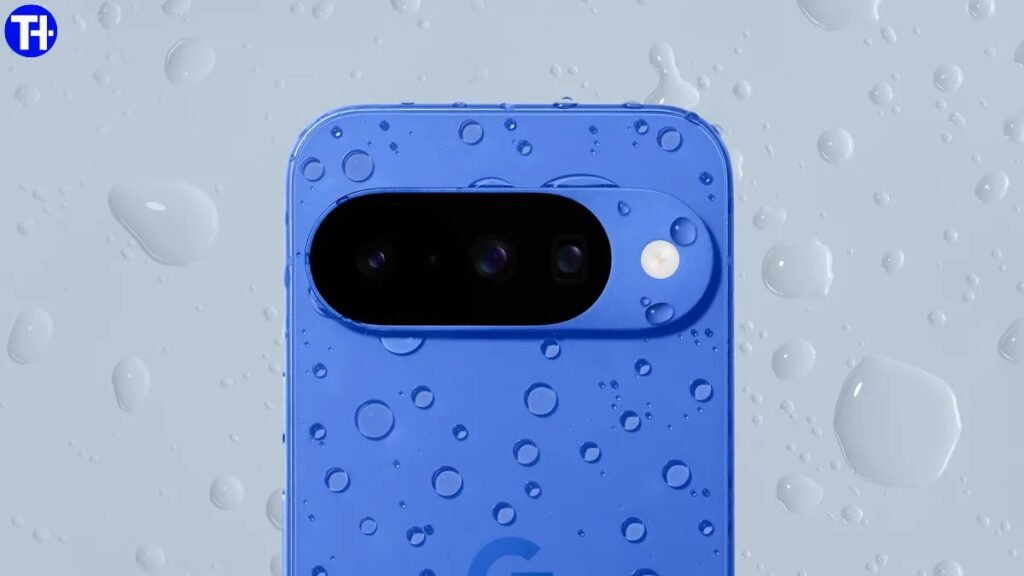
Because the Google Pixel 10 features three cameras on the rear instead of only two like the Pixel 8, photography enthusiasts should also consider the advantages of selecting the Pixel 10 over the Pixel 8.
In particular, the Google Pixel 10 boasts a 10.5MP f/2.2 front-facing camera, a 48MP f/1.7 wide, a 13MP f/2.2 ultra-wide, and a 10.8MP f/3.1 telephoto camera (with 5x optical zoom).
The telephoto camera mentioned there is absent from the Google Pixel 8, and its other camera features are slightly different as well. It features a front-facing 10.5MP f/2.2 camera, a 12MP f/2.2 ultra-wide, and a 50MP f/1.7 wide camera.
The Google Pixel 10 has a much brighter screen
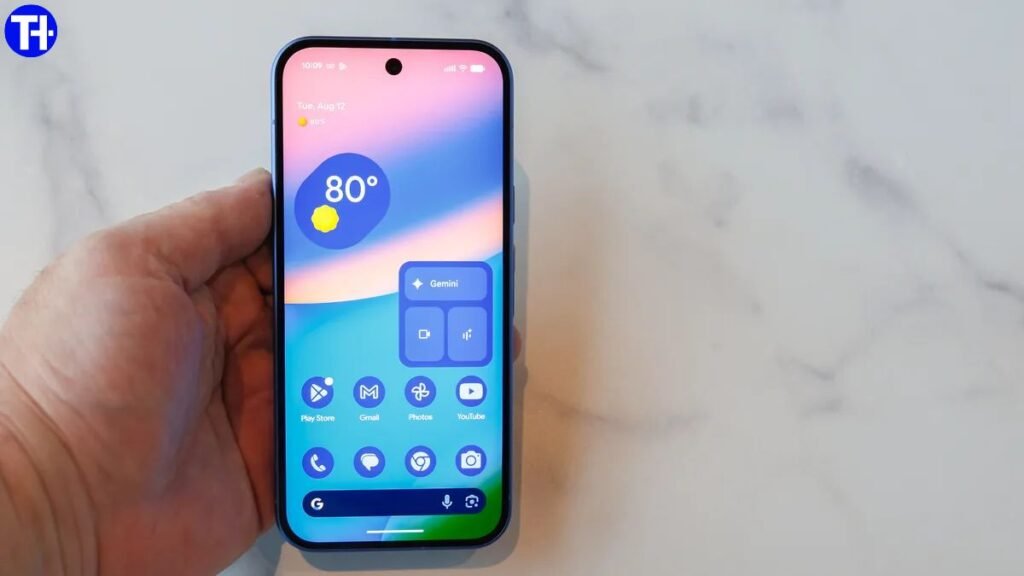
The Pixel 10’s screen brightness has been improved to 3,000 nits, which is a minor but noticeable improvement. On the other hand, the Pixel 8 can only reach a maximum brightness of 2,000 nits.
Because dimmer screens sometimes become washed out in broad sunshine, the Pixel 10 should be a much better option.
Additionally, the Pixel 10’s display is marginally larger than the Pixel 8’s, measuring 6.3 inches compared to 6.2, although this shouldn’t have a significant impact.
The Google Pixel 10 will be kept up to date for longer
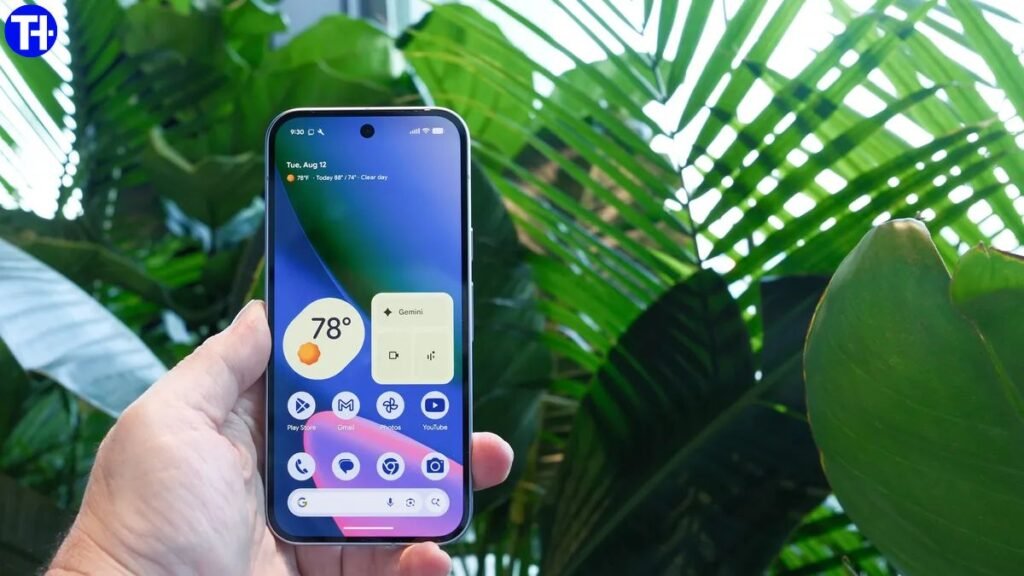
Although seven years of operating system and security upgrades are promised for both the Google Pixel 10 and the Google Pixel 8, the Pixel 8 is only about five years old and will only receive updates for the next five years.
Therefore, two years after the Pixel 8 gets its last update, the Pixel 10 will still be receiving updates.
Not only will the Pixel 10 continue to receive the most recent Android upgrades and new software features, but it will also be safer to use for an extended period of time because vulnerabilities will continue to be fixed for the extra two years.
Nevertheless, the Pixel 8 should still have a lot of life left in it because five years is a long time in tech terms.
The Google Pixel 8 is lighter
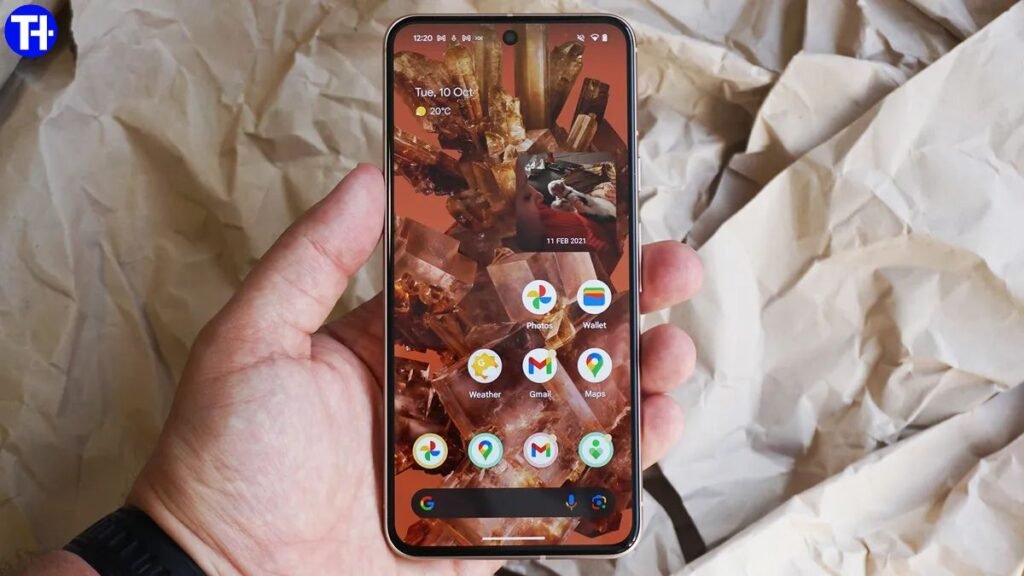
With a weight of 187g compared to 204g for the Pixel 10, the Google Pixel 8 has a slight advantage over the Pixel 10.
With measurements of 150.5 x 70.8 x 8.9 mm as opposed to the Pixel 10’s 152.8 x 72.0 x 8.6 mm, the Google Pixel 8 is likewise slightly smaller.
So, the Pixel 8 could be marginally easier to tote around with you, albeit the Pixel 10 is not among the biggest or heaviest phones anyhow.
The Google Pixel 8 is cheaper
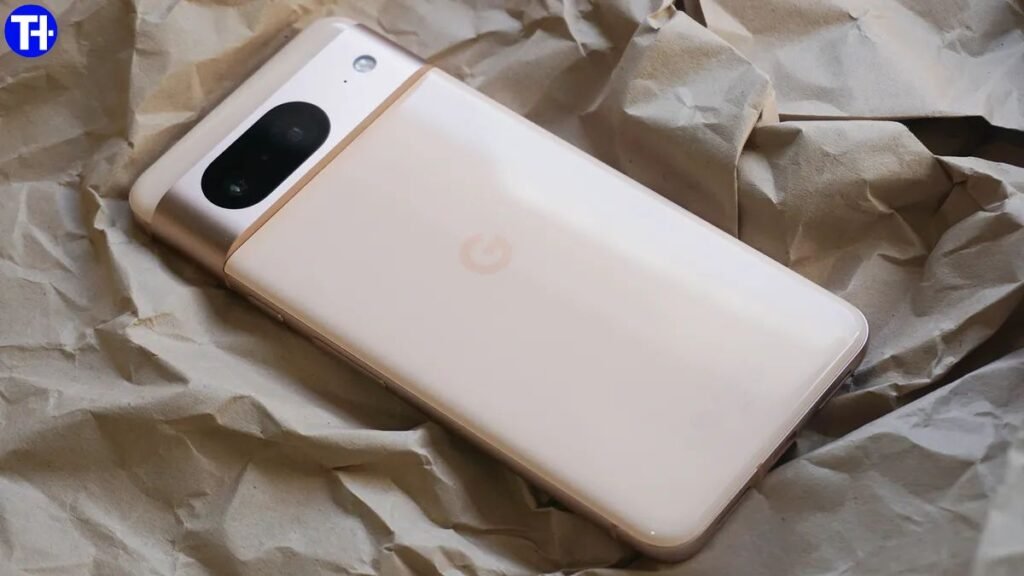
With an official starting price of $699, £599, or AU$1,199, with the possibility of third-party shops offering it for less, the Pixel 8 may have the largest pricing advantage over the Pixel 10.
It is therefore somewhat less expensive than the $799, £799, or AU$1,349 Google Pixel 10; however, since new Pixel 8 devices are becoming harder to locate, you may have to settle for a reconditioned model if you decide to purchase one.
Many other specs and features are similar across the two phones
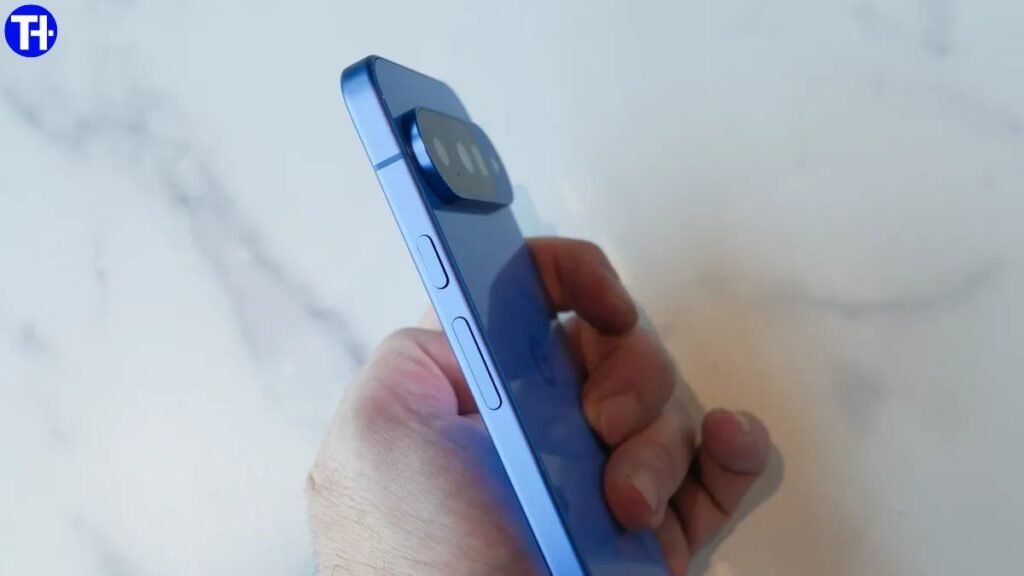
Although we’ve highlighted the main distinctions between these phones above, there are still some similarities.
For example, the Pixel 8 and Pixel 10 share IP68 certification, a refresh rate of 120 Hz, and comparable screen resolutions and pixel densities.
There aren’t many options in these areas because they both come in 128GB and 256GB versions.
Related posts:
 New Google Pixel 10 rumor suggests it could ditch physical SIMs and go eSIM only
 If the Google Pixel 10 Pro Fold gets this rumored upgrade, I’ll recommend it over any other folding phone
 Google releases more teasers for the Pixel 10 event, and photo AI features heavily
 Last-minute Pixel 10 leaks hint at a charging stand, pricing info, and ‘secret drops’