
In some respects, Google has raised the regular model to a level that is more comparable to the pros than we have ever seen with the Pixel 10 series. However, the Google Pixel 10 and its Pro-level siblings, as well as the Pixel 10 Pro and the Pixel 10 Pro XL, still differ greatly in other aspects.
A summary of the main differences between these phones can be seen below. Since the emphasis here is on the differences, everything that we haven’t covered is probably the same or comparable across the three devices.
The pricing is undoubtedly the most significant difference to take into account, but after you understand the other ways in which these phones vary, you’ll be in a better position to choose which Pixel 10 to purchase.
- Also Check: If Google wants the Pixel 10 to beat the iPhone 17, I think it should bring back its best-ever feature
The Google Pixel 10 Pro XL has the biggest screen
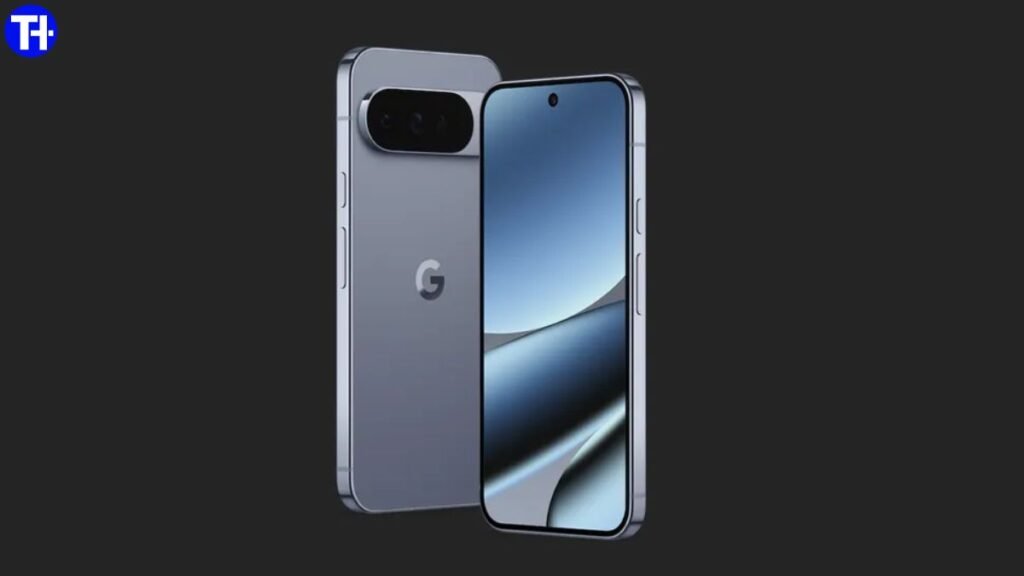
The Google Pixel 10 Pro XL is unquestionably the greatest option among these three phones if you believe that larger is better because, at 6.8 inches, its screen is significantly larger than that of the 6.3-inch Pixel 10 and Pixel 10 Pro.
At 1344 x 2992, it has the greatest resolution of the three. However, at 486 pixels per inch (ppi), its pixel density is marginally lower than that of the 495ppi Pixel 10 Pro. The Pixel 10 at 422ppi is the least sharp, but the difference is barely noticeable.
The Google Pixel 10 is also less bright than the Pro variants, with a maximum brightness of 3,000 nits as opposed to 3,300 nits. Similarly, the Pixel 10 can only go as low as 60 Hz, however the Pixel 10 Pro and Pixel 10 Pro XL can go as low as 1 Hz, which is excellent for battery conservation when a high refresh rate isn’t required. All three phones can reach 120 Hz in terms of refresh rate.
The Pixel 10 loses out for RAM and storage
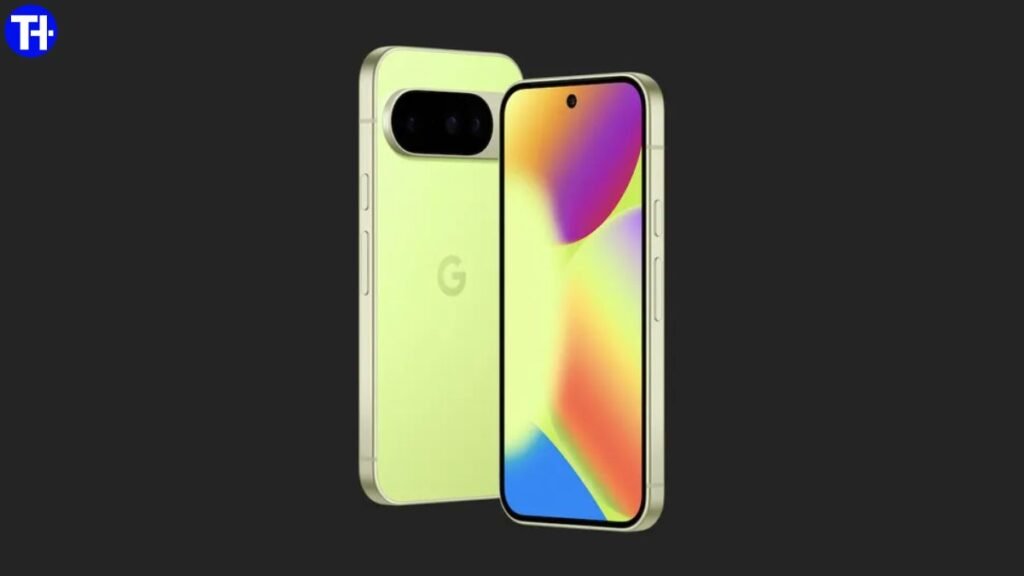
The regular Google Pixel 10 has 12GB of RAM instead of 16GB, which is less than its brothers.
Additionally, the top-end variants have less storage—you may select between 128GB and 256GB models, but the Google Pixel 10 Pro and Pixel 10 Pro XL have a maximum storage capacity of 1TB.
Even while the Pixel 10 may run somewhat worse with less RAM, it still has the same Tensor G5 processor as the other variants.
You’ll get better cameras with a Pro

The Pro variants feature the finest specs, but all three of these phones have a triple-lens camera on the back.
In addition to a 42MP f/2.2 front-facing camera, the Google Pixel 10 Pro and Pixel 10 Pro XL include a 50MP f/1.68 wide, 48MP f/1.7 ultra-wide, and 48MP f/2.8 telephoto (with 5x optical zoom) on the rear.
A 48MP f/1.7 wide, 13MP f/2.2 ultra-wide, 10.8MP f/3.1 telephoto (with 5x optical zoom), and a 10.5MP f/2.2 front-facing camera are instead included in the basic Google Pixel 10. Therefore, the Pro models come with a significant increase in megapixels.
The Google Pixel 10 is the lightest

At 204g, the regular Pixel 10 weighs less than its Pro siblings, despite having worse camera and RAM specifications. It is significantly lighter than the 232g Pixel 10 Pro XL, even if that number only makes it somewhat lighter than the 207g Pixel 10 Pro.
Additionally, even though the Pixel 10 and Pixel 10 Pro are the same size, the Google Pixel 10 Pro XL is obviously much bigger.
The Google Pixel 10 Pro and Pixel 10 Pro XL come in Moonstone, Jade, Porcelain, and Obsidian shades, all of which have a matte finish, while the Pixel 10 comes in Indigo, Frost, Lemongrass, and Obsidian shades, all of which have a satin finish. These color variations are the primary other differences between their designs and constructions.
The Pixel 10 Pro XL charges fastest
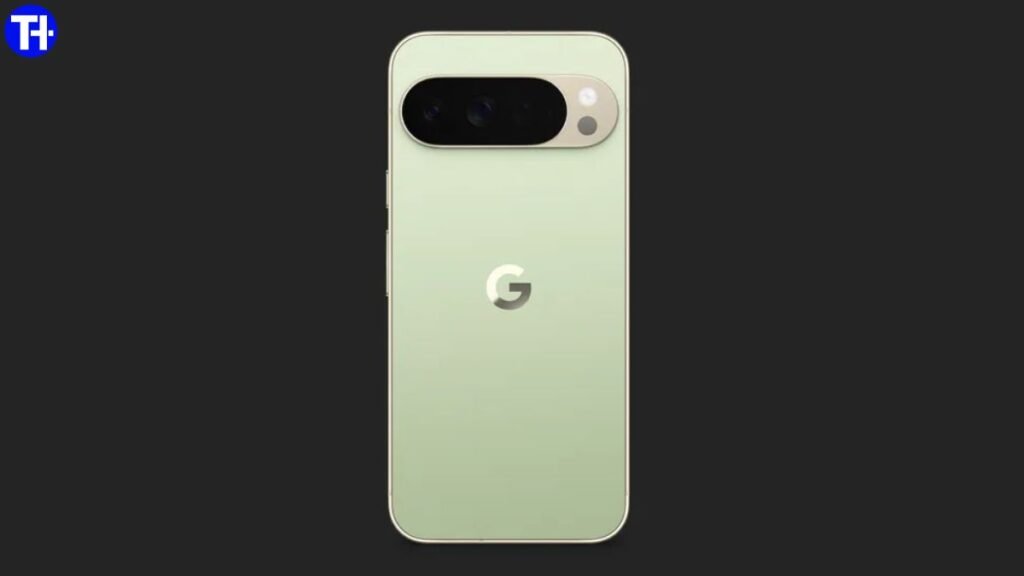
The Google Pixel 10 has a 4,970mAh battery, the Pixel 10 Pro has a 4,870mAh battery, and the Pixel 10 Pro XL has a 5,200mAh battery. These three phones have varying battery capacities. Nevertheless, according to Google, they will all survive for at least 30 hours, or up to 100 hours when using Extreme Battery Saver mode.
The Google Pixel 10 Pro XL should still have an advantage because it charges more quickly, but there may not be much separating them here (though we’ll tell you in our in-depth reviews). While the Pixel 10 and Pixel 10 Pro only allow charging power of up to 30W and can reach 55% in about 30 minutes, Google claims that you can charge this device up to 70% in about 30 minutes with a 45W charger.
Another benefit of the Pixel 10 Pro XL is its ability to support wireless charging at up to 25W, when the other two variants only support 15W.
Related posts:
 If the Google Pixel 10 Pro Fold gets this rumored upgrade, I’ll recommend it over any other folding phone
 If Google wants the Pixel 10 to beat the iPhone 17, I think it should bring back its best-ever feature
 Google Pixel 10 Series to Feature Tele-Macro Camera: Launch, Specs, and New Features Revealed
 The Google Pixel 10 could come with 60W charging – and I hope Apple and Samsung are taking notes