Now that the Google Pixel 10 has been out, you may be thinking if it’s worth upgrading from your Pixel 9 or, if you don’t have either, if you could save money by purchasing the older model.
We’ve outlined the key distinctions between the new Google Pixel 10 and the previous Google Pixel 9 to help you make a decision, but what you do in these situations ultimately relies on what you value most in a smartphone.
These consist of the camera, chipset, and other essential components. However, a lot is also staying the same, and if you don’t see anything noteworthy listed here, it has probably not changed for the new model.
A new chipset
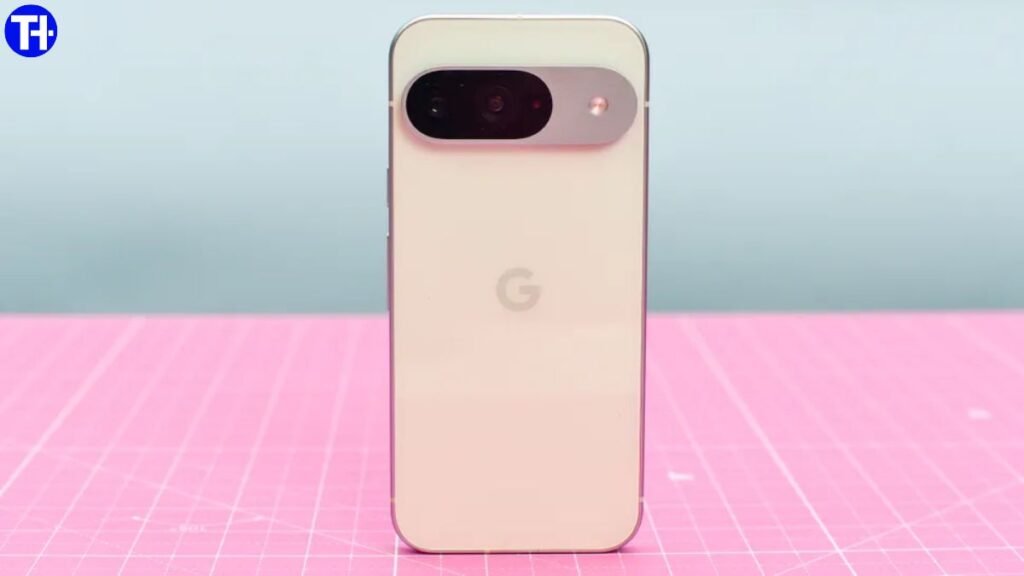
Their chipsets are one of the most significant, if not the most interesting, differences between these two phones. The Google Pixel 10 features the brand-new Tensor G5, while the Google Pixel 9 has the Tensor G4 from the previous year.
Since this update was completely anticipated, we say it is rather uninteresting, but it should still be useful. More power should be delivered by the new processor to enhance gaming performance, accelerate AI functions, and more.
Therefore, the Pixel 10 can be a sensible purchase if you’re searching for a phone that seems like a premium device appropriate for 2025.
An extra camera
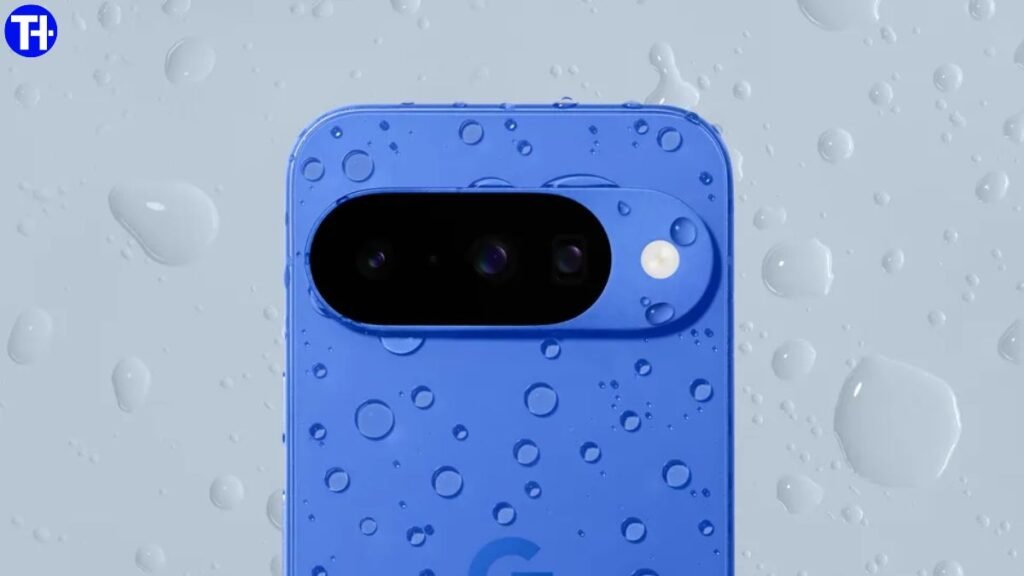
We find the cameras to be one of the more intriguing differences, mainly because the Google Pixel 10 comes with an additional lens. Its 48MP f/1.7 wide, 13MP f/2.2 ultra-wide, and 10.5MP f/2.2 front-facing cameras are joined by a 10.8MP f/3.1 telephoto camera with a 5x optical zoom.
The Google Pixel 10 is a superior option for zoom photography because the Pixel 9 lacks a telephoto camera. However, since the Pixel 9 features the same selfie camera as the Pixel 10 and two cameras—a 50MP f/1.7 wide and a 48MP f/1.7 ultra-wide—this isn’t quite as much of a clear-cut upgrade as you might think.
It’s interesting to note that the Google Pixel 9 has two lenses with greater megapixels than the Pixel 10. Once we’ve given this new phone a thorough review, we’ll let you know how big of a difference that makes, but if you don’t frequently take telephoto images, the Pixel 9 might be a better option for photography.
A brighter screen
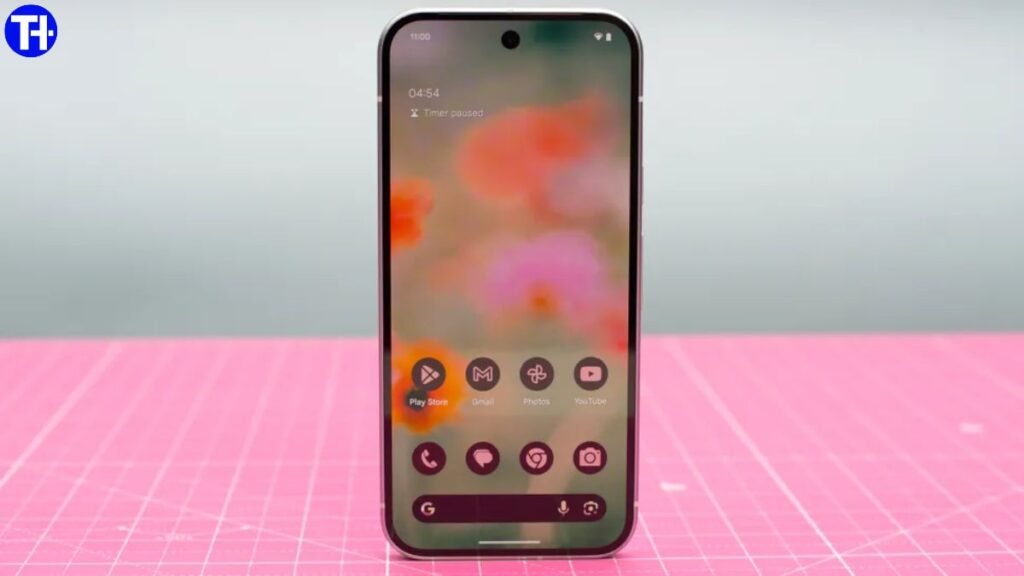
With a maximum brightness of 3,000 nits, the Google Pixel 10 surpasses the Pixel 9’s display, which can already become rather bright at 2,700 nits.
In addition to having nearly identical 6.3-inch OLED screens with a refresh rate of 120 Hz, a resolution of 1080 x 2424, and a pixel density of 422 pixels per inch, that would make the Google Pixel 10’s screen easier to see in direct sunlight. Additionally, both of them have Gorilla Glass Victus 2 protection.
Therefore, unless you frequently complain about your phone’s screen being too dark, you probably won’t find the Pixel 9’s display to be all that inferior to the Pixel 10’s.
A bigger battery

Since a phone is only useful while it has power, most people prefer phones with long-lasting batteries, and the Google Pixel 10 should have an advantage in this regard.
According to Google, the 4,970mAh battery in this phone may last up to 30 hours between charges or up to 100 hours if Extreme Battery Saver mode is enabled.
In contrast, the Google Pixel 9 boasts a smaller 4,700mAh battery that, according to Google, should last up to 24 hours between charges. Therefore, the Pixel 10 may provide you about six more hours of battery life. However, when Extreme Battery Saver mode is enabled, the Pixel 9 is reportedly expected to provide a comparable 100-hour lifespan.
Different colors
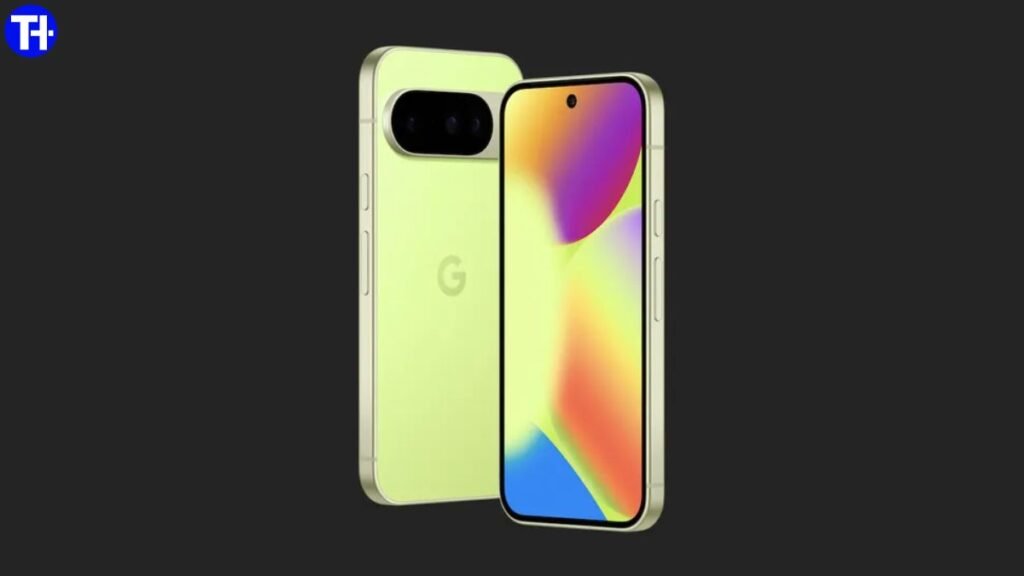
Depending on which of these phones you purchase, you’ll also have a wider range of colors to pick from.
While the Google Pixel 9 is available in Obsidian, Porcelain, Wintergreen, and Peony hues, the Google Pixel 10 is available in Indigo, Frost, Lemongrass, and Obsidian hues. The other selections are different, but Obsidian is available for both.
Apart from the colors, these devices have a fairly comparable appearance, weight, and size, however the Pixel 9 weighs slightly less at 198g compared to the Pixel 10’s 204g.
Related posts:
 Last-minute Pixel 10 leaks hint at a charging stand, pricing info, and ‘secret drops’
 New Google Pixel 10 rumor suggests it could ditch physical SIMs and go eSIM only
 If the Google Pixel 10 Pro Fold gets this rumored upgrade, I’ll recommend it over any other folding phone
 Google releases more teasers for the Pixel 10 event, and photo AI features heavily