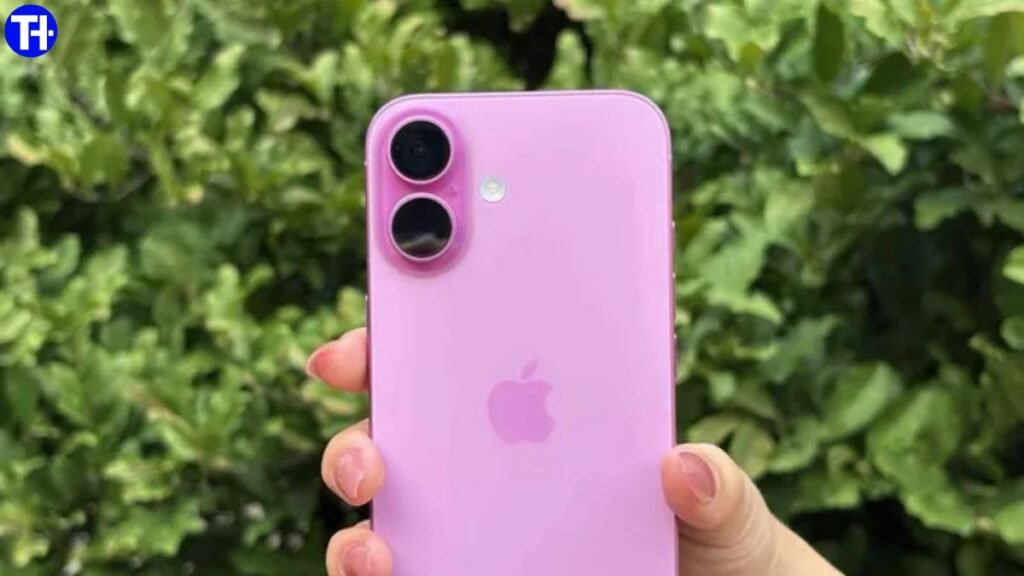
For you, what does September mean? Perhaps it’s a period of transition as summer gives way to fall, or it’s about fresh starts as you go back to school or college.
September is synonymous with new iPhones for the IT community. Since the 2012 debut of the iPhone 5, Apple has almost usually unveiled its yearly updated smartphone portfolio in the ninth month of the year.
A steady stream of reports, however, indicates that a significant change to the iPhone’s delivery schedule might be imminent.
- Also Check: Google Pixel 10 Pro Fold revealed in first official video teaser – here are 5 things to expect
Apple may divide the iPhone’s release timetable in half, with the base model iPhones arriving in the spring and the iPhone Pro and Pro Max continuing to be fall releases, according to a report from Weibo user Setsuna Digital (via PhoneArena).
According to Macworld, this supports rumors that were circulating earlier this year.
The standard model iPhone 18 and iPhone 18 Plus (or Air) are expected to ship in the spring of 2026, while the iPhone 18 Pro and iPhone 18 Pro Max are expected to launch as normal in September of the same year. Rumor has it that this schedule could start in 2026.
To be perfectly honest, I think this would be a terrible idea; let me explain. At TechRadar, we strive to maintain a fair perspective on speculations like this.
Terrible timing
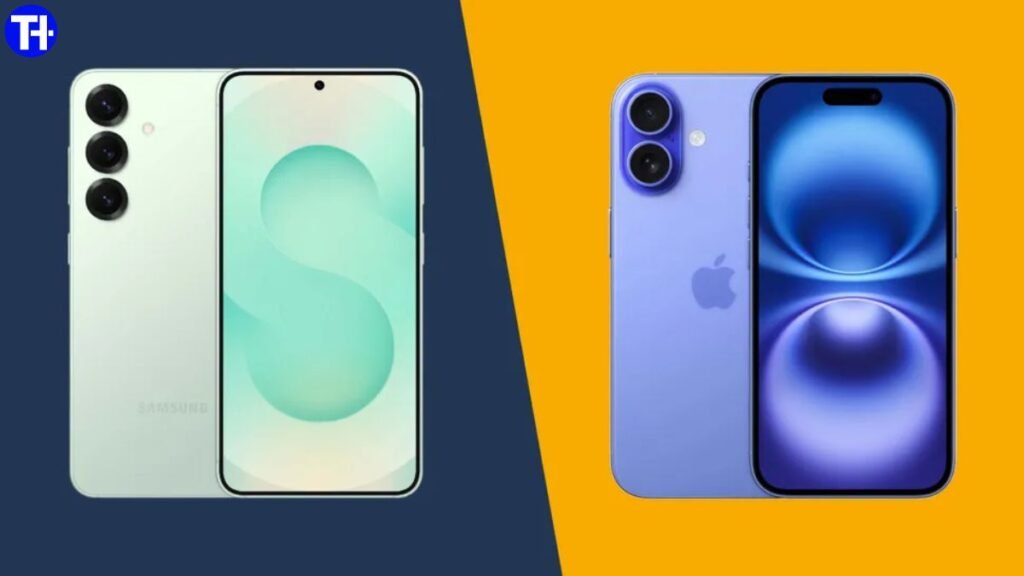
The base model iPhone 18 and iPhone 18 Air would come in a spring release window that is comparable to the reported Samsung Galaxy S26 lineup. Let’s first consider the timeframes that this rumored shakeup suggests.
That simply isn’t a wise choice. Apple’s sales will always be good. However, I’m more considering the iPhone’s image, which is a significant component of Apple’s brand, and possibly even the value that is being offered.
This is due to the fact that Samsung’s base model phone clearly gives better value for the money. For comparison, the starting prices for the Samsung Galaxy S25 and iPhone 16 are $799, £799, and $1,399, respectively.
When comparing the current generation Galaxy S25 to the iPhone 16, we can observe that Samsung’s least expensive flagship has a third camera with three times optical zoom, more RAM (12GB) than the iPhone (8GB), and a slightly larger display (6.2 inches) than the iPhone.
Additionally, the Samsung Galaxy S25 boasts USB 3.0 transfer capabilities (which Apple inexplicably restricts to the Pro models) and a 120Hz display, which the iPhone 16 still somehow lacks. As these out-of-date specs become more obvious, the rumored launch window and closer competition with Samsung might turn into a major embarrassment if Apple doesn’t fix this.
Would it be prudent to let the iPhone 18 to compete with the Galaxy S25 Ultra, one of the greatest phones available and possibly the most potent device ever introduced in terms of hardware, without a new Pro Max model to support it?
You might contradict my reasoning by pointing out that there isn’t any conflict between the Pixel and iPhone series, and that Apple’s annual iPhone launch occurs shortly after Google’s Made by Google event on August 20. It is more difficult to see the two flagship series as real competitors, though, because the Pixel doesn’t really compete with the iPhone on performance, as we have recently argued.
Better together
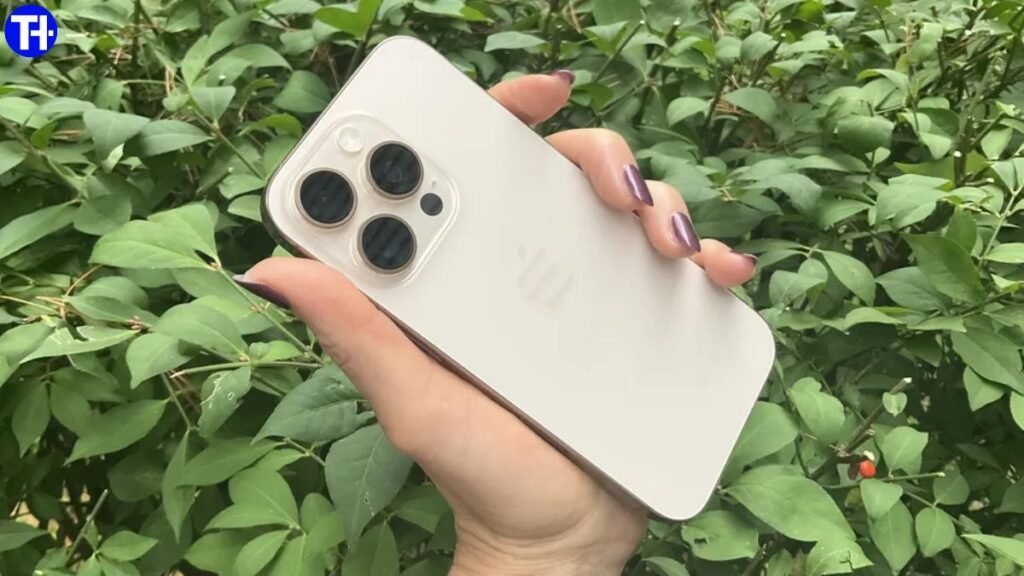
Considering Apple’s reputation once more, I believe that dividing the iPhone’s debut date will cause disarray in the company’s most significant hardware portfolio and may even make the device seem less high-end.
Profit is the clear motivation behind Apple’s decision to space out iPhone releases; by doing so, the company hopes to maintain its public profile, attract more attention, and increase sales from regular upgraders. It’s also possible that the more potent Pro and Pro Max iPhones might outsell the original model, if not completely replace it.
The problem is that cash grabs lack style. Although market saturation is nothing new to Apple, I believe that separating the iPhone lineup is a step too far. Any sense of exclusivity that the iPhone conveys may be undermined since it would be a little unworthy of the most valuable firm in the world to release its most recognizable piece of hardware on a nearly regular basis.
And lastly, as someone who has been an Apple devotee for over ten years, I always anticipate the September Apple event as one of the year’s most thrilling tech revelations. Without the full iPhone portfolio to discuss, I doubt Apple could generate the same level of enthusiasm.
What are your thoughts? Would it be a bad idea for Apple’s mobile portfolio to separate the iPhone lineup? Or am I exaggerating in response to these unverified reports? We welcome your feedback in the comments area.
Related posts:
 Two key specs for the base-model iPhone 17 just leaked again – and only one is an upgrade
 A top Apple tipster thinks he’s worked out the iPhone 17 release date – and it could be just two months away
 The iPhone 17 Pro looks gorgeous in new renders, and it could get a protective display boost too
 Finally, something fresh: Apple could be bringing some punchy color to the iPhone 17 Pro