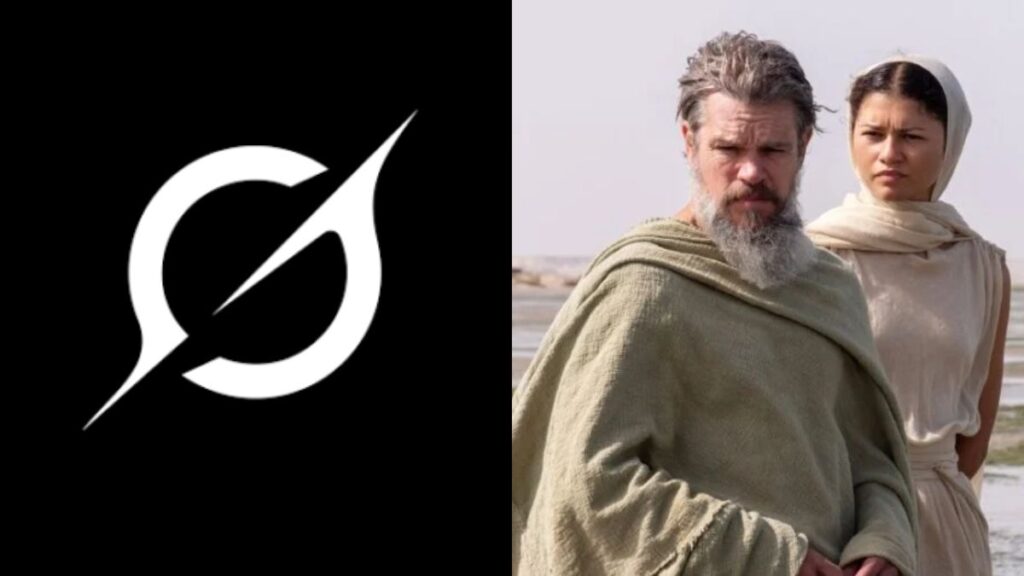
Grok Releases the First Seven Minutes of Its AI-Generated Odyssey
Elon Musk’s plan to bring an AI-generated version of The Odyssey to audiences has taken a small step forward, with Grok releasing the first seven minutes of the project. Instead of unveiling the full-length movie previously discussed by Musk, the company is presenting the footage as Episode 1 of its Odyssey series.
The project, developed in collaboration with Wonder Studios and director Dev Walker, offers an early look at how generative AI can be used to recreate scenes inspired by one of the most influential stories in ancient Greek literature.
However, while the footage demonstrates the technology’s ability to produce cinematic-looking images, it also raises questions about whether AI-generated visuals alone can deliver the storytelling depth and creative direction expected from a feature film.
Grok’s AI-Generated Odyssey: Key Highlights
- Seven minutes of footage released: Grok has introduced the opening installment of its AI-generated Odyssey project.
- A smaller release than originally anticipated: The footage arrives after Musk previously discussed creating a full-length, historically accurate adaptation.
- Developed with creative collaborators: Wonder Studios and director Dev Walker worked on the project.
- Realistic visuals, mixed storytelling: Some shots resemble live-action filmmaking, but the sequence reportedly struggles with pacing, dialogue, and emotional engagement.
- AI filmmaking faces a creative challenge: The release highlights the difference between generating convincing images and producing a compelling cinematic experience.
From a Full-Length Movie Promise to a Seven-Minute Episode
The release follows Musk’s earlier announcement that Grok would produce a full-length, historically accurate movie adaptation of The Odyssey. The latest installment, however, is considerably more limited in scope, offering viewers just seven minutes of material.
The distinction matters because creating a short sequence and sustaining a feature-length narrative are two very different challenges. A few convincing shots can demonstrate the capabilities of an AI video generator, but a complete movie also needs coherent character development, effective dialogue, carefully controlled pacing, and a story that holds an audience’s attention.
By releasing the footage as the first episode of a series, Grok has provided an initial glimpse of the project rather than the complete cinematic experience originally discussed.
For now, the available material offers a preview of the project’s visual direction, while leaving open questions about how the story might develop across future installments.
How Does Grok’s Odyssey Compare With Christopher Nolan’s Film?
The project also arrives amid discussion surrounding Christopher Nolan’s own adaptation of The Odyssey. Musk previously criticized Nolan’s casting choices, objecting to the inclusion of nonwhite and transgender actors.
The two projects represent markedly different approaches to filmmaking. Nolan’s production relies on traditional filmmaking methods, including physical locations, performers, production crews, and visual effects. His adaptation involved filming across multiple countries and coordinating a large cast and crew.
Grok’s version takes a technology-driven approach, using AI-generated imagery to create its interpretation of the legendary journey.
This contrast illustrates a broader debate within the entertainment industry: whether generative AI can become a practical alternative to established production methods or whether its greatest value will be as a supporting tool for filmmakers.
Realistic imagery is an important part of the equation, but it is only one element of a successful movie. Direction, performances, editing, and narrative structure remain essential to creating an engaging experience.
The Visuals Look Convincing, but the Storytelling Falls Short
One of the more interesting aspects of Grok’s Odyssey is that some individual shots reportedly look more convincing than expected. Scenes featuring characters at sea can create the impression of a live-action production, suggesting that AI video technology is becoming increasingly capable of generating cinematic environments.
The footage also appears more polished than some other AI-generated videos recently shared by Musk. That makes the release worth examining as an example of how quickly the technology is evolving.
Nevertheless, visual realism does not automatically translate into effective filmmaking.
The sequence reportedly spends a substantial amount of time establishing the backstory through narration before moving into scenes featuring bearded characters delivering dialogue. The result is a presentation that can feel slow and repetitive rather than building toward a dramatic moment.
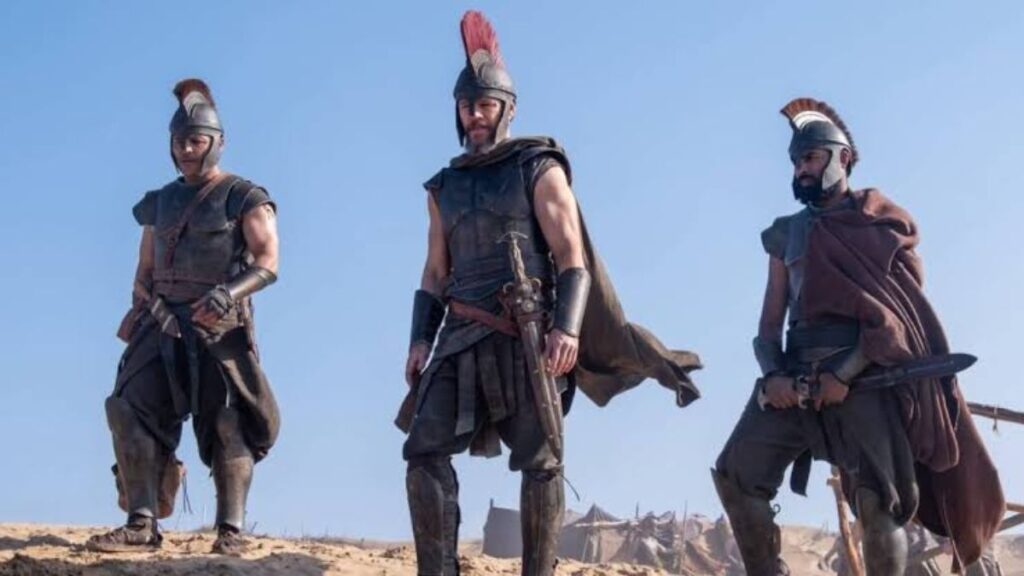
The dialogue and performances also appear to lack the natural rhythm and emotional nuance that help audiences connect with characters. Even when individual images look believable, the overall sequence reportedly struggles to establish a strong sense of momentum.
These shortcomings highlight a central limitation of AI-generated filmmaking: creating realistic images is different from making viewers care about the people and events those images portray.
Can AI Replace Traditional Filmmaking?
Grok’s Odyssey arrives at a time when generative AI is attracting growing attention across film, television, animation, and digital entertainment. AI tools can help create environments, develop visual concepts, and produce footage that would otherwise require substantial production resources.
However, a successful film requires more than technical capability.
Filmmakers must make decisions about framing, rhythm, character motivation, performance, sound, and emotional progression. These elements work together to give a story its identity. Without effective creative direction, even visually impressive material can feel disconnected or lifeless.
The initial Odyssey footage suggests that AI can produce images that resemble conventional cinema. Whether the technology can maintain that quality while delivering a compelling narrative over a much longer runtime remains a separate question.
For studios and independent creators, the more immediate opportunity may lie in combining AI tools with human creative judgment rather than treating image generation as a complete replacement for filmmaking.
What Comes Next for Grok’s Odyssey Series?
The first seven-minute installment provides an early look at Grok’s ambitions in AI-generated entertainment, but it does not establish whether the project can succeed as a full-length cinematic adaptation.
Future episodes would need to demonstrate improvements in pacing, dialogue, character development, and overall storytelling to make the series more engaging. Consistency across longer sequences will also be important if the project is intended to expand beyond a short experimental release.
For now, the footage offers a useful demonstration of AI’s visual potential while underscoring the creative challenges that remain.
The bigger question is no longer simply whether AI can generate movie-like footage. It is whether that footage can become a story audiences genuinely want to watch. Grok’s Odyssey has taken its first step toward answering that question, but seven minutes of material are not enough to settle the debate.
Related posts:
 Elon Musk’s xAI Acquires X (Twitter) in a Game-Changing AI Deal
 Google’s Gemini App Gets New Leadership: NotebookLM Head Josh Woodward Takes Over
 Google Docs Gets Gemini AI Integration: Create Podcasts and Enhance Writing with Ease
 Oppo Unveils Agentic AI Initiative at Google Cloud Next 2025: A Bold Leap Towards Personalized AI Experiences