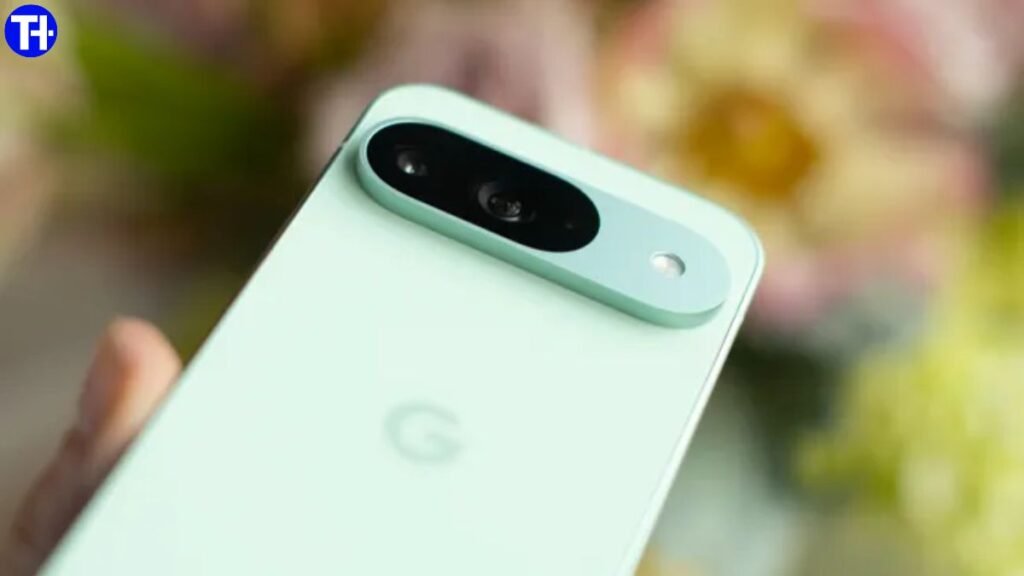
The next generation of Google Pixel phones is almost here. The Pixel 10, Pixel 10 Pro, Pixel 10 Pro XL, and Pixel 10 Pro Fold (the latter was hinted at in a recent video) will all be fully shown at this year’s Made by Google event on August 20.
A few respectable improvements are anticipated with the Pixel 10 series, some of which may put Google’s phones ahead of their well-known competitors. In particular, we anticipate a telephoto camera for the base Pixel 10, 60W fast charging for all versions, and possibly even an IP68 resistance rating for the Pixel 10 Pro Fold.
However, how long will Google maintain its edge on smartphones? The excitement surrounding the Pixel 10 may fast fade as Apple is expected to unveil the iPhone 17 series in the first half of September. Having said that, I have a suggestion for how the Google Pixel 10 can continue to be discussed once the iPhone 17 series is released, and it entails resurrecting the Google Pixel’s greatest feature from the past.
Unlimited Photos storage – that’s it, that’s the header
(Image credit: Future / Chris Hall)
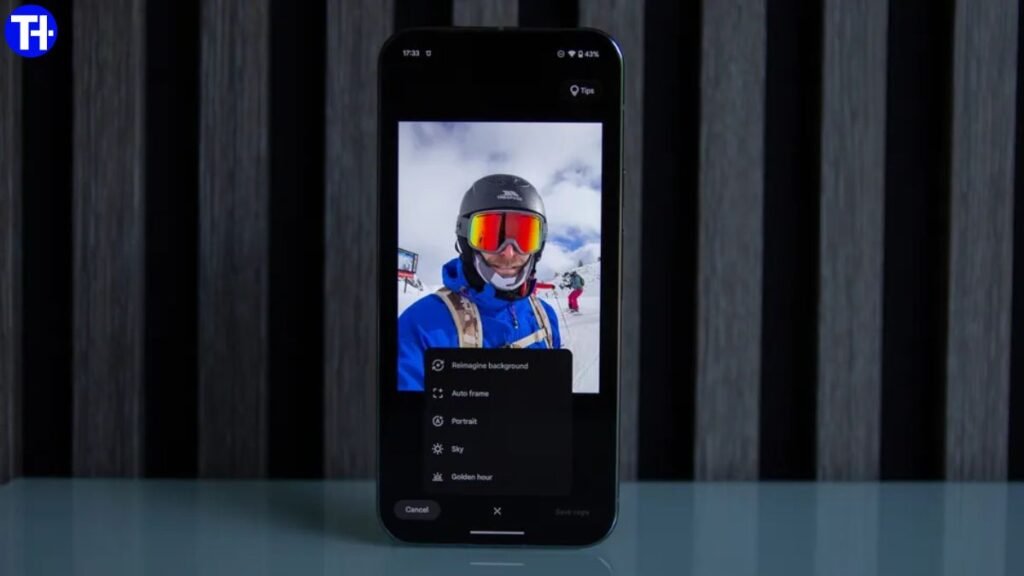
2016 saw the arrival of the first Google Pixel phones, which included limitless storage for your images and movies in full-resolution Google Photos.
Imagine having a free, permanent backup of all your images and movies. Unusual for its time, this offer helped launch the then-new Google Pixel series and is now regarded as one of the greatest packaged features in smartphone history.
The same offer as other Android phones at the time was made by later Google Pixel models, which had unlimited photo storage but were reduced to 16MP for still photos and 1080p for movies. Considering that there was no monthly fee, this was still a good value.
Unfortunately, Google discontinued this feature in June 2021 and started using Google Photos libraries against the 15GB limit on Google Drive storage unless you purchased a Google One subscription.
To put things in perspective, Apple’s iCloud service costs almost the same as Google One and only offers 5GB of storage for free. Even while Google’s current offering is still superior to the other one by a significant margin, wouldn’t it be wonderful if the Pixel 10 transported us back in time?
Admittedly, considering that Google One memberships are undoubtedly a significant source of income for the corporation, it is rather optimistic to believe that Google will reinstate unrestricted photo storage. I’m really relying on the strength of hope for this one because there aren’t any rumors indicating that it might occur.
However, if Google wants to be considered a serious rival at this stage, ten generations into the Google Pixel series, it must be considering strategies to obtain tangible advantages over the iPhone. Even when Apple dominates the market in September and beyond, the Google Pixel 10 would be completely irreplaceable with unlimited photo storage.
What else could Google offer?

(Image credit: Google)
Let’s be honest, though. What benefits, if any, can we anticipate seeing included with the Google Pixel 10 series if the reintroduction of unlimited Photos storage appears highly unlikely?
The Google Pixel 9 Pro, Google Pixel 9 Pro XL, and Google Pixel 9 Pro Fold models from last year all included a complimentary one-year subscription to Gemini Advanced, which is typically included in the Google One AI Pro plan at a monthly rate of $19.99, £18.99, or AU$32.99.
Google needs to be thinking about ways to gain concrete advantages over the iPhone if it’s to ever be seen as a true competitor.
One reason is that Google ought to provide this benefit in the base model Google Pixel 10; in our evaluation of the Google Pixel 9, we found it annoying that the regular model did not have the same free access to Gemini Advanced.
Google offering clients sophisticated Gemini AI at $799 / £799 / AU$1,399 might really raise heads because Apple Intelligence is trailing behind the competition.
What are your thoughts? Is it better to outdo the anticipated iPhone 17 or should Google restore limitless Photos storage? Tell us in the comments section below.
Related posts:
 If the Google Pixel 10 Pro Fold gets this rumored upgrade, I’ll recommend it over any other folding phone
 If the Google Pixel 10 Pro Fold gets this rumored upgrade, I’ll recommend it over any other folding phone
 Google Pixel 10 Series to Feature Tele-Macro Camera: Launch, Specs, and New Features Revealed
 The Google Pixel 10 could come with 60W charging – and I hope Apple and Samsung are taking notes