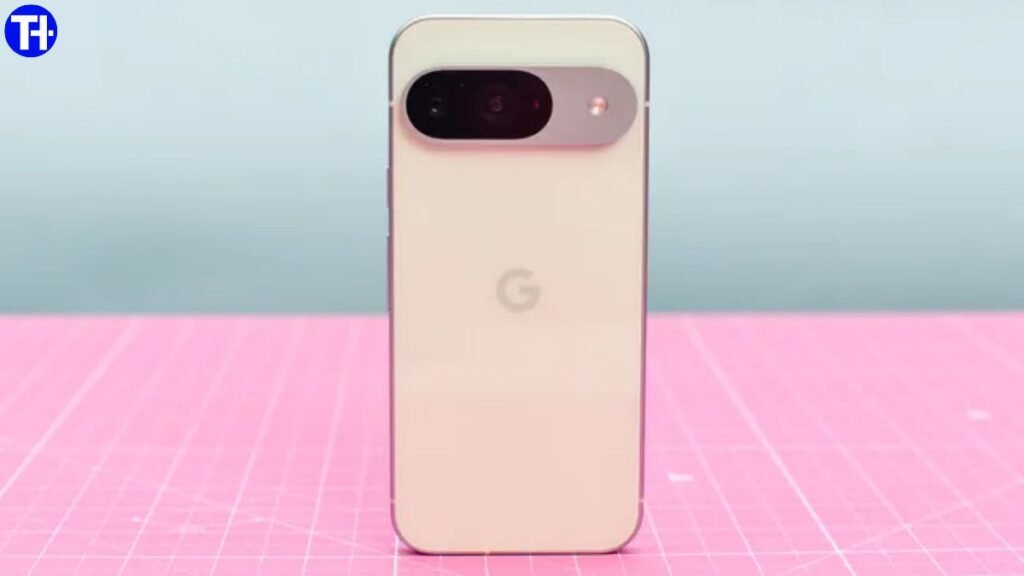
We anticipate official announcements of the Google Pixel 10, Pixel 10 Pro, Pixel 10 Pro XL, and Pixel 10 Pro Fold during the company’s annual Made by Google event on August 20. The latest generation of Google Pixel phones is almost here.
As we recently discussed, there are rumors that the Google Pixel 10 series would support 60W charging, which would be a major improvement above the power consumption provided by the current generation. As a point of comparison, the Google Pixel 9 and Pixel 9 Pro have 27W charging capabilities, and the Pixel 9 Pro XL has 37W. However, the Pixel 9 Pro Fold has a rather low 21W maximum power.
Therefore, the charging speeds of the Pixel 10 series may be significantly impacted by 60W charging capabilities. Although other factors like temperature and battery state might affect charging speed, the 33W boost will undoubtedly have a notable effect. The increase won’t practically double.
- Also Check: Pixel 10 Pro Fold tipped to eclipse the Galaxy Z Fold 7 with the upgrade foldables have been waiting for
I hope Apple and Samsung take note for the release of the iPhone 17 and Galaxy S26 series, respectively, if Google’s reported charging boost turns out to be true.
An overdue upgrade
(Image credit: Philip Berne / Future)
As I recently mentioned, because battery technology is evolving so swiftly, it’s one of the main factors I consider when recommending or even buying phones for myself.
Why, therefore, haven’t Apple, Samsung, and Google accelerated charging speeds? There are several potential responses.
First off, given that batteries have historically been more problematic than other parts—the Samsung Galaxy Note 7 was recalled in 2016 because some of its batteries exploded—it makes sense that the major western phone manufacturers would be a little more cautious when it comes to battery technology. More recently, Google recalled the Pixel 6a because of battery problems.
Since batteries are arguably the most chemically volatile parts of contemporary cellphones, it seems sense to avoid putting them under excessive strain.
Second, all of the “big three” flagship smartphones now promise software updates for several years. In the end, batteries are consumable parts that deteriorate with use and heat exposure; also, increasing charging power usually results in increased heat exposure. Therefore, manufacturers must be careful about how severely they throttle their batteries if they want their phones to last until the seventh year of upgrades.
Taking the fight to Chinese phone makers
Please understand that the Google Pixel 9 is already achieving decent power delivery metrics. With the iPhone 16 Pro Max, Apple’s maximum charging capacity is about 30W, while Samsung allows 45W charging for the Galaxy S25 Plus and Galaxy S25 Ultra.
These figures, however, start to appear very mediocre when we consider what other Chinese phone manufacturers are doing.
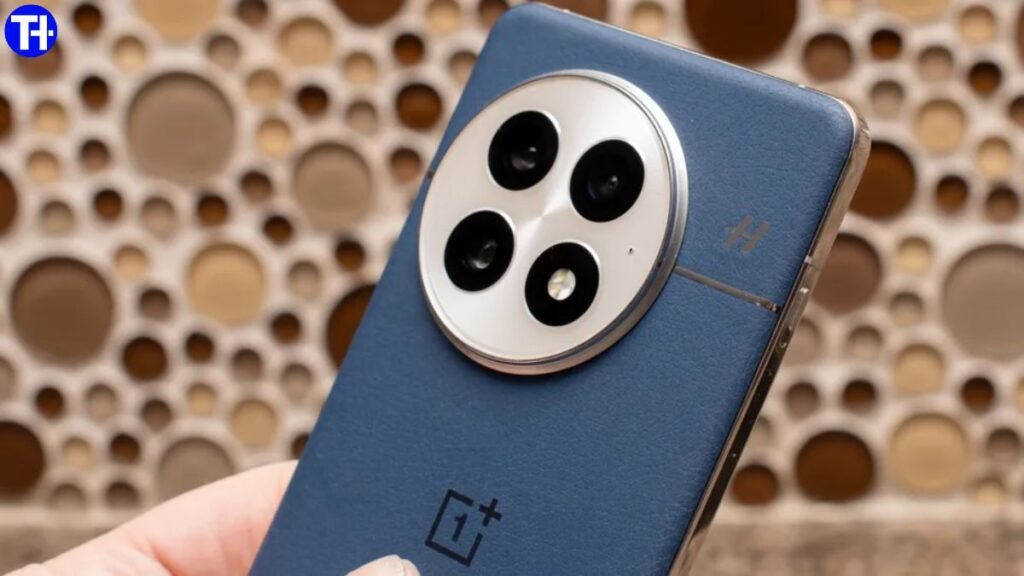
Our current favorite Android phone, the OnePlus 13, has built-in capability for up to 80W charging and can even be used with the company’s 100W SuperVOOC charger.
60W charging speeds could give the Pixel 10 series a much-needed advantage over the iPhone 16 series and Galaxy S25 lineup.
Regarding other brands, the Xiaomi 15 Ultra, Oppo Find X8 Pro, and Honor Magic 7 Pro all have 90W and 100W charging capacities, respectively. However, there aren’t many of these phones available.
For some time now, Chinese phone manufacturers have been ahead of the “big three” in terms of hardware innovation. As previously stated, these phones are not frequently viewed as a threat to Google, Apple, or Samsung because they might be difficult to obtain, particularly in the US.
Having said that, I’m happy that Google is predicted to be at the forefront of this. 60W charging speeds might offer Google’s smartphone series a much-needed edge over the iPhone 16 series and Galaxy S25 lineup (albeit one I hope Apple and Samsung soon emulate) and solidify the Pixel 10 series’ standing versus OnePlus et al.
What are your thoughts? Will the Google Pixel 10 series truly benefit from the boost to 60W charging? Tell us in the comments section below.
Related posts:
 3 upgrades the Google Pixel 10 Pro Fold needs to be taken seriously against the Samsung Galaxy Z Fold 7
 If the Google Pixel 10 Pro Fold gets this rumored upgrade, I’ll recommend it over any other folding phone
 If the Google Pixel 10 Pro Fold gets this rumored upgrade, I’ll recommend it over any other folding phone
 5 ways the Google Pixel 10 Pro can get ahead of the iPhone 17 Pro and Galaxy S26 Ultra