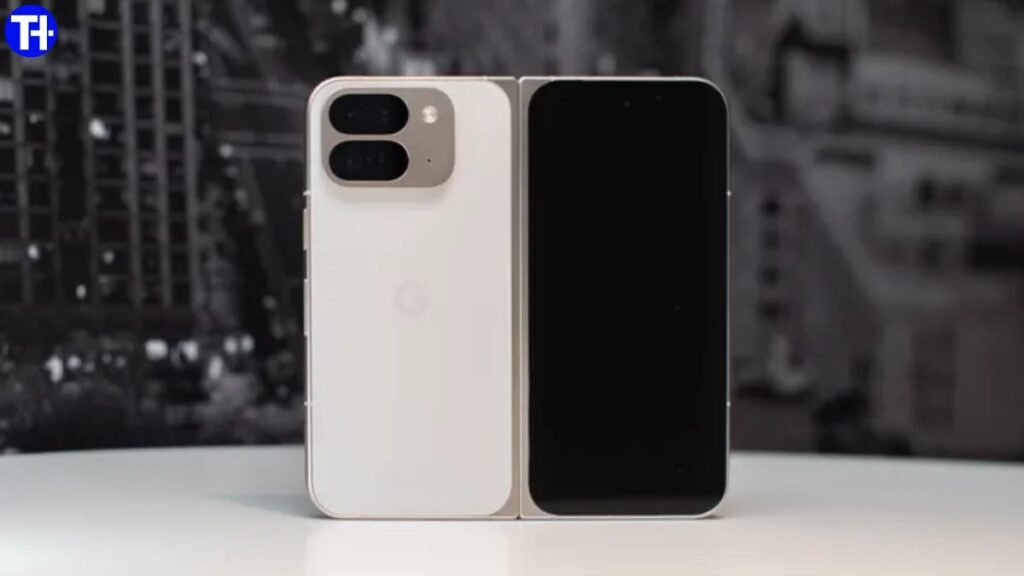
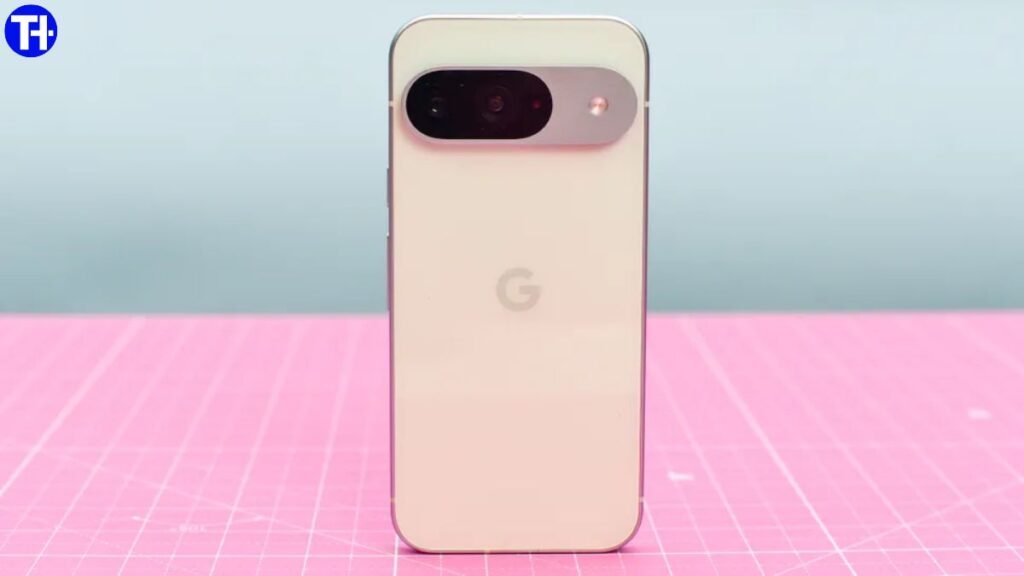
The full unveiling of the Google Pixel 10, Google Pixel 10 Pro, Google Pixel 10 Pro XL, and Google Pixel 10 Pro Fold are anticipated during this year’s Made by Google event, which is set for August 20. The Google Pixel 10 series is almost here.
Naturally, there are already enough speculations out there to give us a good idea of how these four handsets might seem, and one of them has piqued my interest more than the others put together.
It has been suggested that the Google Pixel 10 Pro Fold may come with an IP68 dust and water resistance designation, as we recently revealed.
An IP rating, which stands for ingress protection, indicates how well a device can keep water (number two) and dust (number one) out of its chassis.
IP68 ratings, which indicate that a gadget is completely sealed against dust and can withstand submersion in fresh water, have long been typical for flagship phones.
IP68 ratings have not yet been available for folding phones. This is because it’s hard to keep dust out of a moving hinge mechanism.
For comparison, the Google Pixel 9 Pro Fold has an IPX8 rating, meaning it has no dust protection but the same water protection.
The Samsung Galaxy Z Fold 7, which has a comparatively impressive IP48 rating that ensures protection against dust larger than 1mm in diameter, is the closest a folding phone has come to a “perfect score” that we have seen. However, this rating is still not very helpful if you spill, say, flour or ground coffee on your phone, or if you want to take your folding phone to a sandy beach like our Editor-at-large Lance Ulanoff did last year.
An instant win
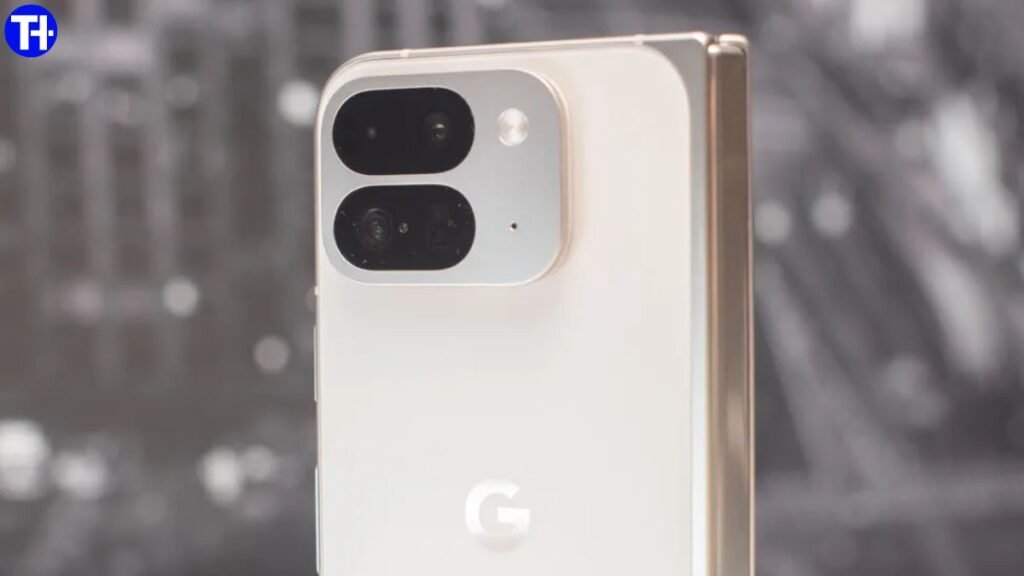
(Image credit: Philip Berne / Future)
To put it simply, I will endorse the Pixel 10 Pro Fold over all other folding phones on the market if Google ships it with an IP68 classification.
Given that the Google Pixel 9 Pro Fold started at $1,799, £1,799, or AU $2,699, we anticipate that the Google Pixel 10 Pro Fold will cost at least as much, if not more. What could be more important at this price than being able to use your phone more frequently and in a greater range of settings without worrying about breaking any of its internal parts? The most important factor is always usability.
Our phones are always with us, for better or worse, and no one wants to consider taking them out of their pocket or bag because their surroundings are a little dirty.
Both Google’s position in the folding phone industry and the usefulness of the Google Pixel 10 Pro Fold would greatly benefit from such an upgrade.
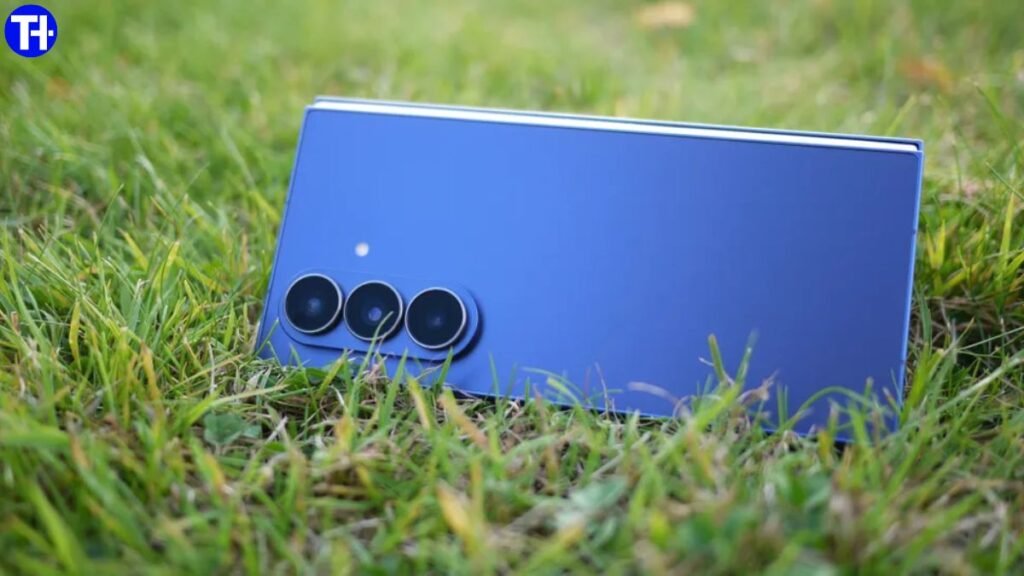
(Image credit: Peter Hoffmann)
Being the first widely available competitor to the Samsung Galaxy Z Fold line, the original Google Pixel Fold was shielded from too much technical scrutiny. However, this won’t last forever, as the series has so far struggled with underpowered chipsets and somewhat disappointing cameras, and it will need to innovate to keep up with its Korean rival.
In the event that the Pixel 10 Fold falls short, an IP68 rating might provide significant compensation for these features while providing reviewers and fans with a definite, unbiased edge over the Galaxy Z Fold 7.
And if this rumor turns out to be accurate, the Pixel 10 Fold will receive my personal endorsement even though another model may be at the top of our list of the best folding phones. Tell us what you hope to see from the Google Pixel 10 Pro Fold in the comments section below until August 20th, when we’ll know for sure.
See our list of the three improvements that the Google Pixel 10 Pro Fold must have in order to compete with the Samsung Galaxy Z Fold 7 for more information.
Related posts:
 3 upgrades the Google Pixel 10 Pro Fold needs to be taken seriously against the Samsung Galaxy Z Fold 7
 Images of the the Google Pixel 10, Pixel Watch 4, and Pixel Buds 2a have now all leaked in a stylish Moonstone color
 Google Pixel 10 to Feature Imagination GPU with Tensor G5 Chip – A Game-Changer in Mobile Performance
 5 ways the Google Pixel 10 Pro can get ahead of the iPhone 17 Pro and Galaxy S26 Ultra