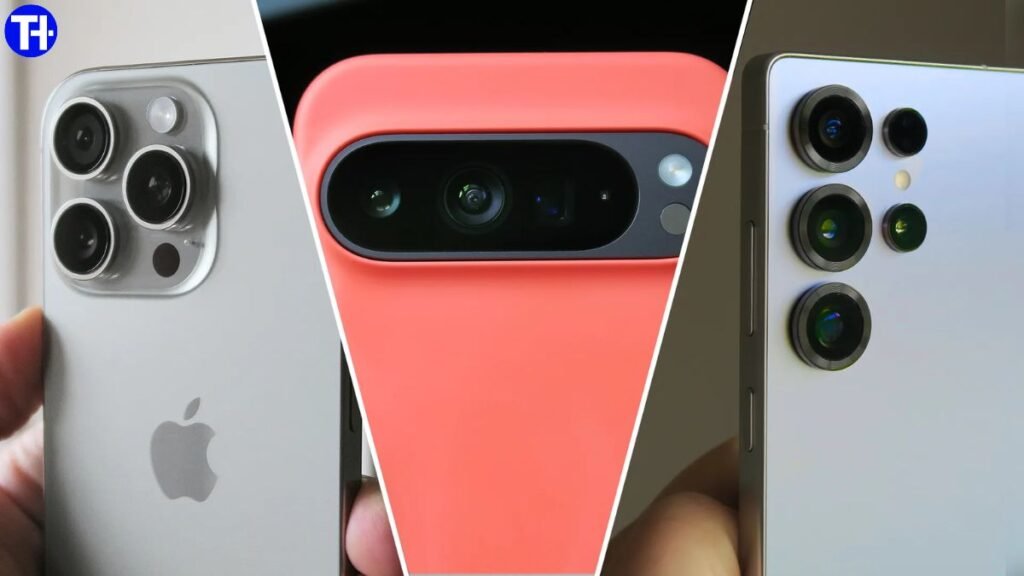
The long-rumored Google Pixel 10 range is expected to be shown at Google’s annual Made by Google event, which is scheduled for August 20 of this year.
Even while the entire Google Pixel 10 family will undoubtedly be shown, I have my eye on one model in particular: the Google Pixel 10 Pro.
I’m interested to see if Google can surpass not just itself but also the impending competition from Apple and Samsung, as the Pixel 9 Pro was our phone of the year in 2024. Google will need to improve its game to outperform these undisclosed competitors, as the Samsung Galaxy S26 Ultra and iPhone 17 Pro are predicted to be among the most powerful phones ever produced.
- Also Check: 3 upgrades the Google Pixel 10 Pro Fold needs to be taken seriously against the Samsung Galaxy Z Fold 7
Having said that, here are five ways the Pixel 10 Pro might surpass the Samsung Galaxy S26 Ultra and iPhone 17 Pro.
Faster charging
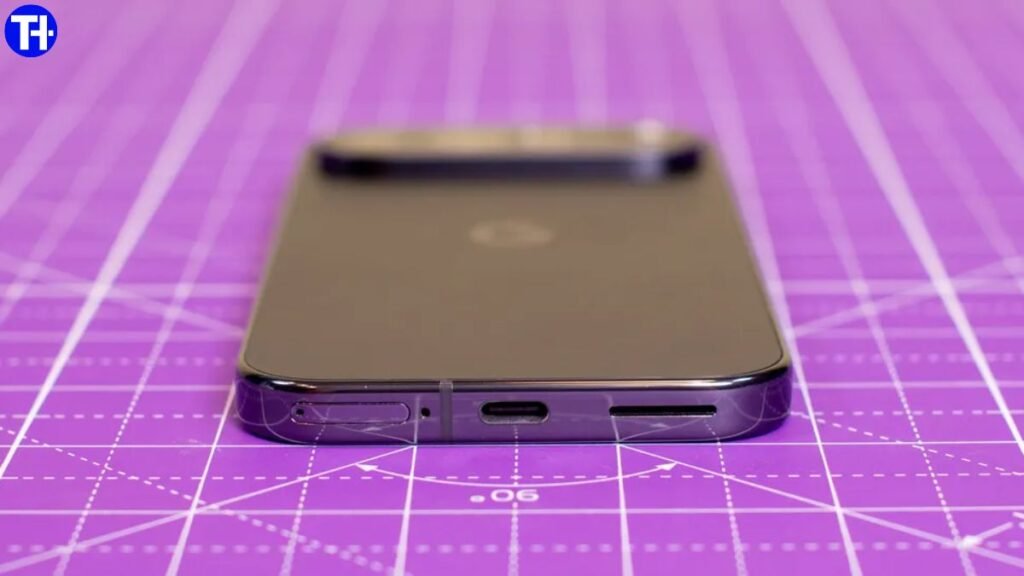
None of the well-known flagships charge very fast at the moment. The Google Pixel 9 Pro has a maximum power consumption of 27W, while the Samsung Galaxy S25 Ultra is the most powerful device with a maximum power drain of 45W. Although testing has shown a top-end charging power of about 30W, Apple has not disclosed the iPhone 16 Pro’s power consumption, as is customary.
This might change with the upcoming flagships, if the most recent reports are to be believed. According to MacRumors, the iPhone 17 Pro may offer 35W cable charging, while the Samsung Galaxy S26 Ultra is said to come with 60W charging compatibility.
According to Android Authority, the Google Pixel 10 Pro’s charging speed may be increased to 60W, keeping up with Samsung’s anticipated charging enhancements and decisively surpassing Apple’s.
In terms of battery top-ups, wireless charging is Google’s opportunity to surpass Samsung. While the Galaxy S26 Ultra is predicted to receive 25W wireless charging, the Google Pixel 10 Pro is anticipated to enable 15W wireless charging (via GSMArena). However, Google may still surprise us because both phones are said to embrace the Qi2 wireless charging standard.
Even better cameras
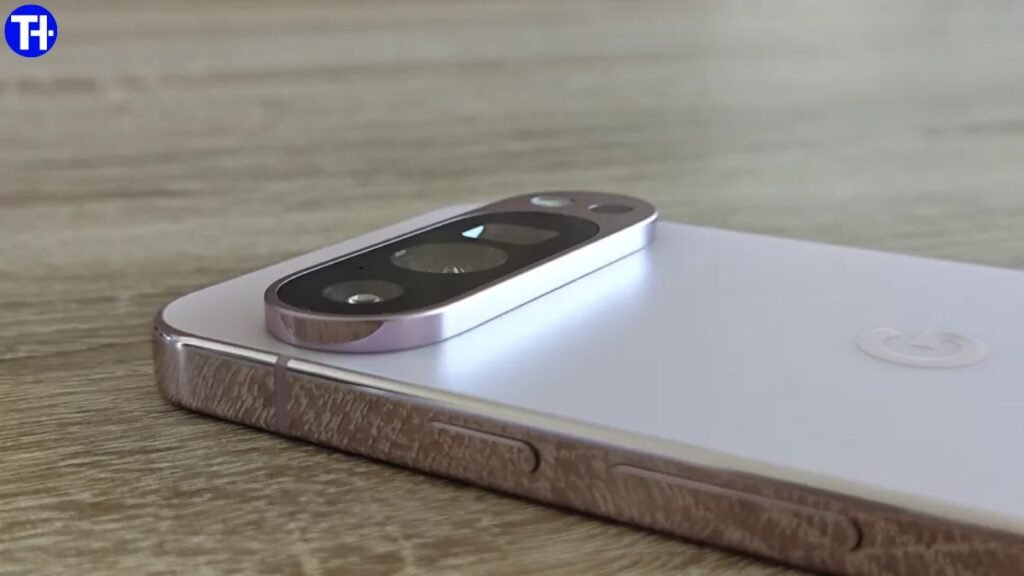
Google Pixel phones are renowned for their superb camera systems and frequently appear on our list of the best camera phones. Although Samsung Galaxy phones and iPhones are also included, the Pixel series has distinguished itself by providing an easy-to-use camera app, precise image processing, and superb night photography.
I essentially want Google to continue doing the same with the Google Pixel 10 Pro.
In terms of software, I believe that some creative new photo and video modes and upgrades to image processing will work wonders (the night panorama option on the Pixel 9 Pro was very remarkable). In terms of hardware, larger sensors or wider apertures are always possible.
The Galaxy S26 Ultra is expected to feature bigger apertures for its primary and 5x telephoto cameras, while the iPhone 17 Pro is expected to gain a new 8x zoom lens. Although Google doesn’t have to match these specifications exactly, we will have an incentive to suggest the Pixel 10 Pro above the competition as long as it keeps improving its shooting experience.
A new button (or two)
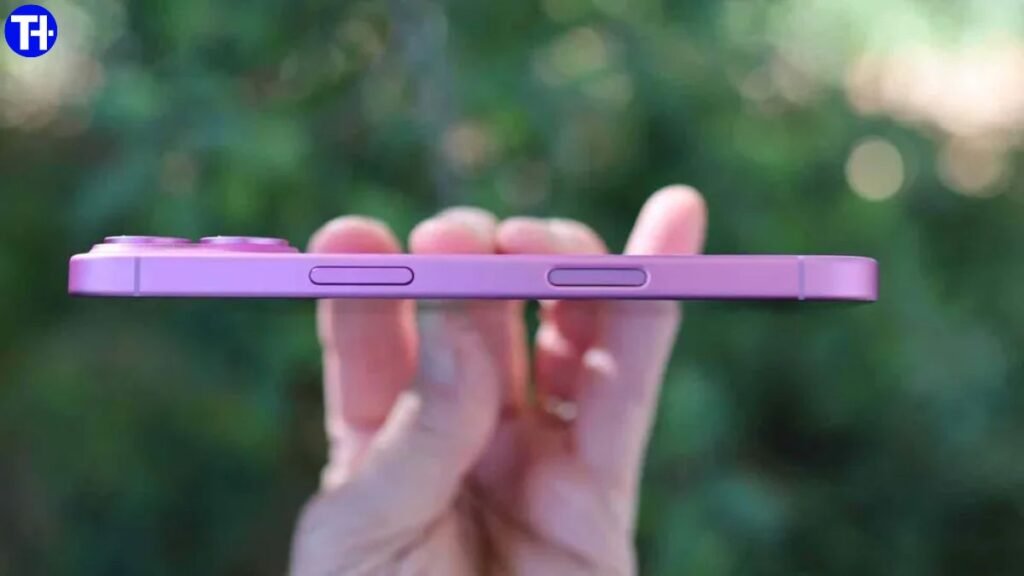
The Google Pixel 9 series is notable for its simplicity—all you get is a power button and a volume rocker—in a world full of programmable buttons, shutter buttons, ringer switches, and more.
The iPhone 17 Pro is probably going to include the same Action Button and Camera Control capacitive button as the iPhone 16 Pro, even if we haven’t heard any speculations concerning new buttons for the Galaxy S26 Ultra.
As previously said, the Google Pixel 9 Pro is an excellent camera phone; but, for users who like the Pixel’s more natural picture processing but would rather have a tactile feel, a shutter button might offer it an advantage over the iPhone.
However, a button that can be customized, similar to those seen on iPhones or the latest OnePlus phones, would provide Pixel owners with a physical connection to the AI capabilities of the phone. Giving power users immediate access to tools like Gemini could give Google an advantage because Google Pixel phones receive new Android features first.
More cohesive AI
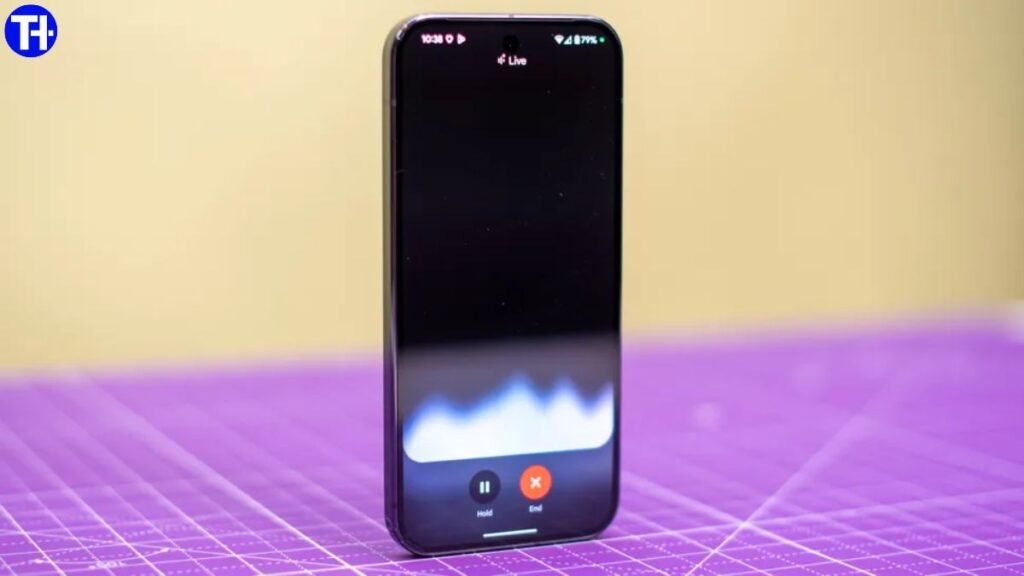
Speaking of AI, our comprehensive review of the Google Pixel 9 Pro pointed out that Google’s Gemini AI suite lacks the contextual awareness and in-app operability of, say, Samsung Bixby, and doesn’t always feel like the seamless experience it’s intended to be.
It’s likely that any advancements made to the Google Pixel 10 Pro will ultimately reach the Google Pixel 9 Pro and some older versions, as the majority of AI features are connected to software rather than hardware.
Having said that, the speculated Tensor G5 processor, which may support special AI features, is anticipated to give the Google Pixel 10 Pro a performance bump over the Google Pixel 9 Pro.
However, since smartphones are now promoted as AI gadgets, the Google Pixel 10 may still have an advantage over Apple and Samsung if it is released alongside a redesigned, more cohesive Google Gemini and some unique features.
A new design (or an old one?)
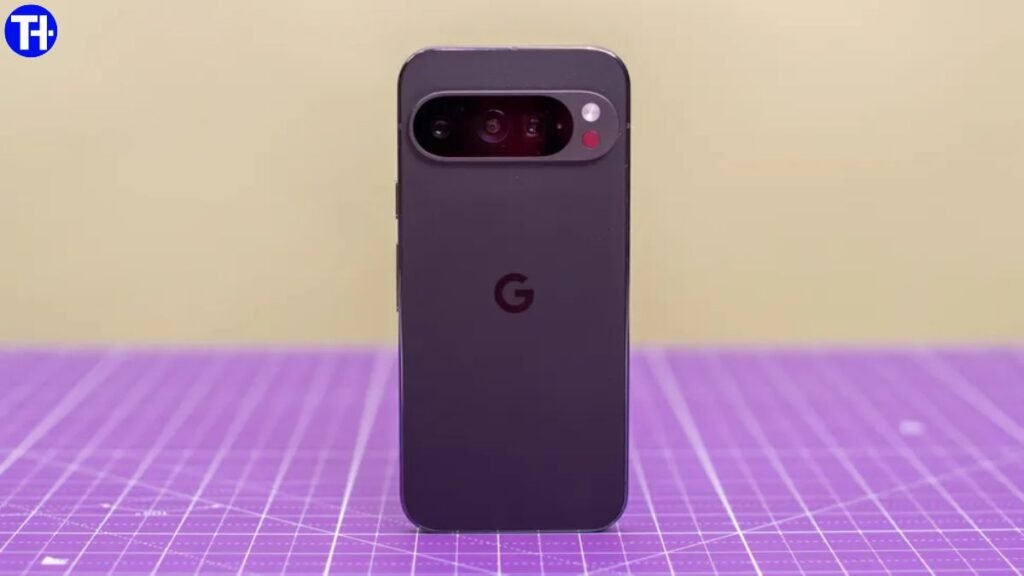
Because Google unintentionally shared product pictures, we’ve most likely already seen the final designs of the Pixel 10 series. However, it’s still worthwhile to take into account some design choices that could offer the Google Pixel 10 Pro an advantage over its competitors.
Although pictures and models of the forthcoming iPhone indicate an appearance that isn’t nearly as sophisticated as Google’s flagship offering, the iPhone 17 Pro and iPhone 17 Pro Max are expected to feature a new bar-style camera housing that mimics the Google Pixel 9 series.
According to the most recent rumors, the Galaxy S26 Ultra will have a slim design based on the Galaxy S25 Edge, with a protruding camera housing akin to the Edge and Galaxy Z Fold 7. Online opinions on that design are already divided, so it’s impossible to predict if the modification will be well received.
All of this suggests that Google made a wise decision by keeping the Pixel 10 Pro’s design the same. If the Galaxy S26 Ultra and iPhone 17 Pro are also scheduled for potentially contentious design updates, perhaps maintaining consistency may help the Pixel 10 Pro stand out from the competition.
Related posts:
 iPhone 17 Pro: Leaks, Features, Specs & Everything We Know So Far
 Two Samsung Galaxy S26 models could be in for camera upgrades – and their codenames have leaked too
 Google just teased the Pixel 10 Pro – and a fresh new Pixel color
 Apple iPhone 17 Pro: Price in India, Launch Date, Specifications, Camera Leaks, and All You Need to Know