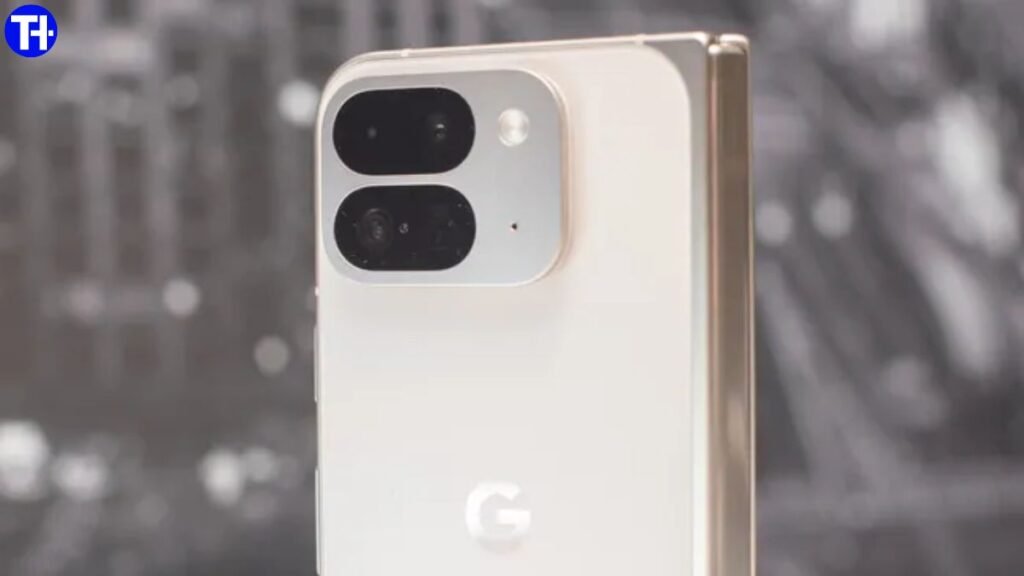
The Google Pixel 10, Google Pixel 10 Pro, Google Pixel 10 Pro XL, and Google Pixel 10 Pro Fold are anticipated to be fully revealed at this year’s Made by Google event, which Google has confirmed will take place on August 20, 2025.
The entire Pixel 10 lineup will receive a lot of attention, but I’m particularly interested in seeing what Google accomplishes with the Google Pixel 10 Pro Fold, which is anticipated to be the company’s next foldable.
The market for folding phones has only grown more sophisticated, competitive, and costly over time. The Samsung Galaxy Z Fold 7 is arguably the best example, packing more power and costing more than any other folding phone we’ve seen.
The Pixel 10 Pro Fold’s primary competitor is probably going to be Samsung’s newest folding flagship, given the Galaxy Z Fold 7’s extensive availability and outstanding specs sheet, as well as the longstanding competition between Samsung and Google as the two leading Android phone manufacturers worldwide.
Additionally, Google needs to make significant improvements to the Pixel 10 Pro Fold if it is to defeat its Korean rival. Without further ado, the Google Pixel 10 Pro Fold must have these three enhancements in order to defeat the Samsung Galaxy Z Fold 7.
Better foldable features
(Image credit: Philip Berne / Future)
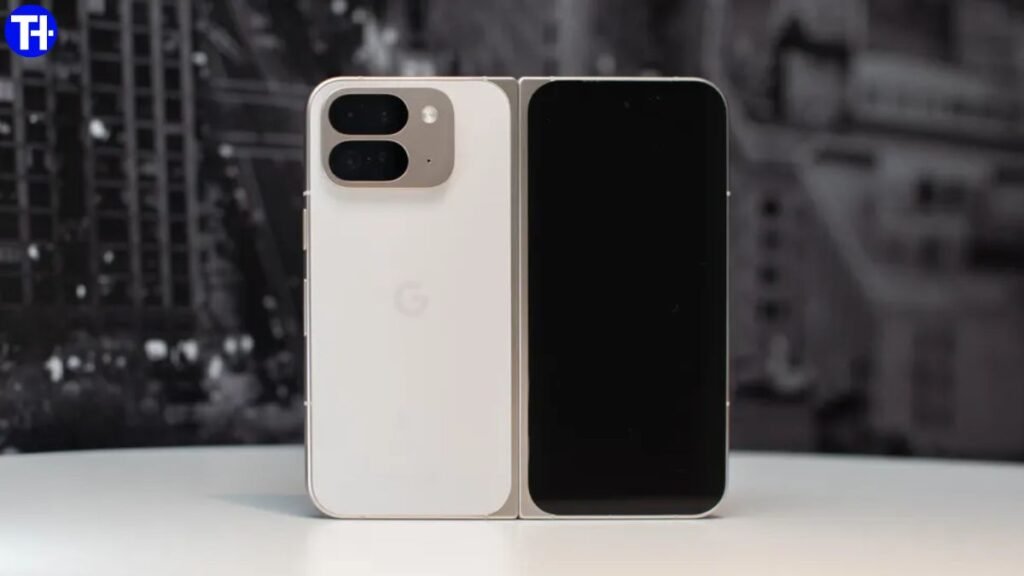
One of the greatest folding phones available, the Google Pixel 9 Pro Fold is a strong and entertaining companion gadget, according to our review.
Our evaluation also points out that the Pixel 9 Pro Fold lacked strong dual-screen capabilities; at launch, it had just two: the cover-display preview function in the photography app and a dual-screen translator for in-person chats.
If the Google Pixel 10 Pro Fold starts at $1,799, £1,799, or AU$2,699, we hope it will go a bit farther. What about a few of easy games that utilize both screens? Or how to have a cool animated wallpaper to appear on the phone’s cover screen when you unfold it?
Additionally, there is always space for improved utilization of the internal display. Since the Pixel 10 Pro Fold is unlikely to exceed the Galaxy Z Fold 7 in terms of sheer hardware power, Google can gain an advantage with clever and user-friendly software.
Maybe Google can add some desktop-like capabilities to the inner display mode of the Pixel 10 Pro Fold, drawing inspiration from Apple’s planned iPadOS 26 update? Although an 8-inch screen that is somewhat square isn’t the biggest canvas, I can see a few free-floating windows coming in handy in an emergency.
Improved cameras
(Image credit: Lance Ulanoff / Future)
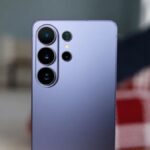
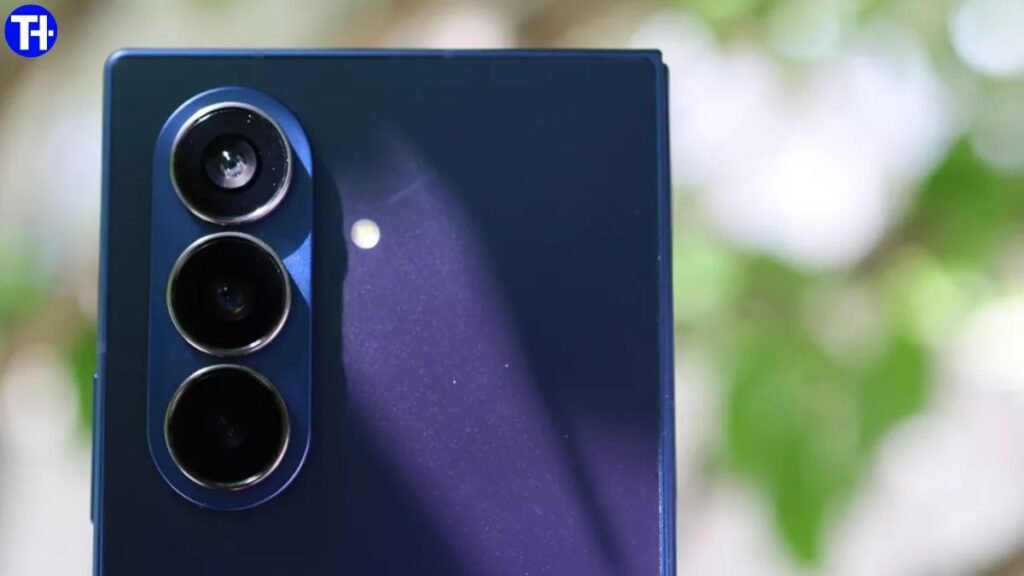
Of all the folding phones, the Samsung Galaxy Z Fold 7 has the greatest cameras. It’s not even close; Samsung’s most recent booklet-style foldable has a 200MP sensor that just records a lot more light and data than rival folding phones’ usually nerfed camera systems.
In contrast, one of the few unsatisfactory aspects of the Google Pixel 9 Pro Fold was its camera setup. Although the primary camera was lowered from the standard Pixel 9, the resulting photographs are less vivid and detailed, but the trio is still quite capable, with an ultra-wide and 5x telephoto offering width and reach, respectively.
While folding phones have physical limitations that limit its cameras, Samsung has shown that it is feasible to outfit a folding phone with amazing, flagship-quality cameras. Google Pixel phones are renowned for their cameras and clever image processing.
The Google Pixel 10 Pro Fold would be more competitive if it had a better primary camera. It wouldn’t hurt to upgrade to a 5x telephoto and ultra-wide camera, and 8K video quality would match the Galaxy Z Fold 7’s resolution and work well with Google’s AI-powered Video Boost feature.
A thinner design
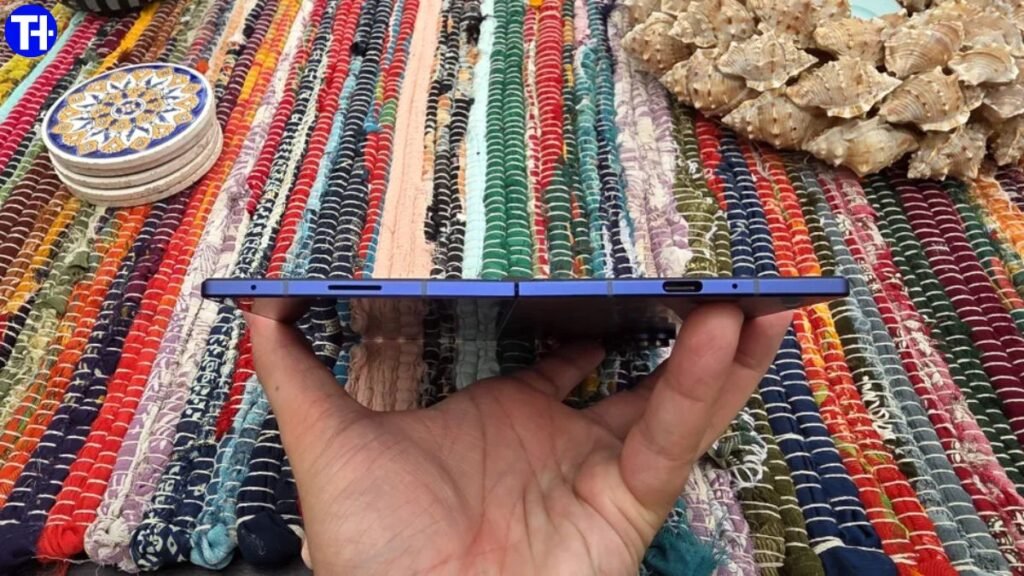
Even while smartphone trends fluctuate, there has been an unmistakable trend toward slimmer devices in the folding phone market.
while closed, the initial folding phones felt like two regular smartphones placed on top of one another. However, phones like the Galaxy Z Fold 7 are now nearly as thin while open and only slightly thicker than a typical flagship when folded.
The Google Pixel 9 Pro Fold wasn’t very large, measuring 10.5 mm when folded and at least 5.1 mm when unfolded. However, the Galaxy Z Fold 7 takes one step further, measuring an amazing 8.9 mm thick when folded and only 4.1 mm thick at its narrowest point when unfolded.
Chinese-made folding phones have long been at the forefront of this emphasis on thinness; the Honor Magic V3 and Oppo Find N5, for example, are both renowned for their emphasis on thinness.
Google should be addressing this trend. Despite its poor performance, the Google Pixel line is nonetheless praised for its hardware design; it’s crucial that the latter doesn’t lag behind either.
Honorable mention: A faster chipset
(Image credit: Philip Berne / Future)
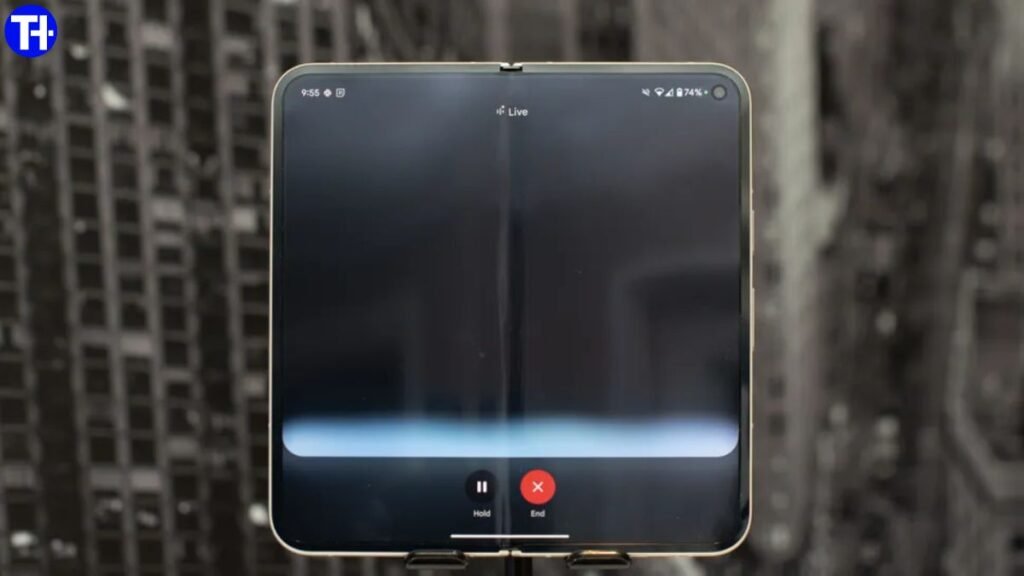
As you may have noticed, this list makes no mention of processing power or chipset enhancements as a means for Google to outperform the Samsung Galaxy Z Fold 7. This is because it is extremely improbable to occur.
The Google Pixel 9 Pro Fold and its modern Samsung competitor, the Galaxy Z Fold 6, performed noticeably differently. Although Google’s Tensor G4 chipset is sufficiently dependable, it lacks the Snapdragon 8 Gen 3 for Galaxy chipset’s hardware strength, which is concealed between the screens of the Galaxy Z Fold 6.
With the overclocked and perhaps overloaded Qualcomm Snapdragon 8 Elite for Galaxy chipset—a true beast of a chipset that essentially resets expectations for Android hardware capability—the Galaxy Z Fold 7 is much more capable than you might anticipate.
It would be nearly hard for the Pixel 10 Pro Fold to catch up in a single generation, since Google has a habit of providing even the greatest Pixel phones with rather underpowered chipsets.
Having said that, I would be delighted to be proven incorrect. The market for folding phones might undergo a significant paradigm shift if the Google Pixel 10 Pro Fold meets or surpasses the Samsung Galaxy Z Fold 7 in benchmarks.
The Pixel 10 Pro Fold’s technical specifications will be revealed during this year’s Made by Google event on August 20. In the meantime, leave a comment below with your wishes for Google’s upcoming folding phone.
Related posts:
 Google Pixel 10 to Feature Imagination GPU with Tensor G5 Chip – A Game-Changer in Mobile Performance
 The Galaxy Z Fold 7 might be Samsung’s best-selling foldable yet, and I think a tri-fold Galaxy is inevitable
 I showed the Samsung Galaxy Z Fold 7 to a Z Fold 4 owner, and he was blown away
 Google’s new Pixel Buds, Pixel Watch 4, and Pixel 10 Pro Fold might arrive later than expected